
Here's a detailed product description for Root Canal Treatment, formatted in Markdown:
Suffering from persistent tooth pain, sensitivity, or a swollen gum? Root Canal Treatment (RCT) is a highly effective and common dental procedure designed to save a tooth that has become infected or severely damaged, preventing extraction and restoring your oral health.
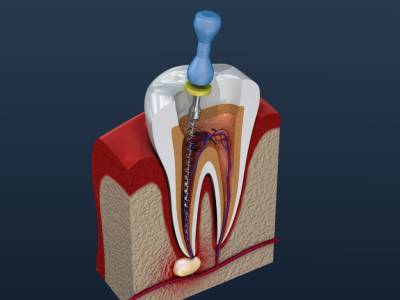
At its core, a root canal is a procedure to remove the inflamed or infected pulp – the soft tissue inside your tooth containing nerves, blood vessels, and connective tissue. This vital tissue, located in the innermost part of the tooth (the pulp chamber and root canals), can become compromised due to deep decay, trauma, cracks, or repeated dental procedures.
After the removal of the diseased pulp, the inside of the tooth is carefully cleaned, disinfected, shaped, and then filled and sealed with a biocompatible material to prevent future infection. The tooth is then typically restored with a dental crown to protect it and return it to full function.
An infected or inflamed tooth pulp can cause significant discomfort and, if left untreated, can lead to serious oral health complications, including abscesses, bone loss, and even systemic infections.
Common indicators that you may need a root canal include:
Causes of pulp infection or damage include:
Opting for a root canal offers numerous advantages over tooth extraction:
A typical root canal treatment involves several steps, usually completed in one or two appointments:
Contrary to popular belief, modern root canal treatment is often no more uncomfortable than a routine dental filling. Thanks to advanced techniques, precision instruments, and highly effective local anesthesia, most patients report feeling little to no pain during the procedure. The goal of a root canal is actually to relieve the severe pain caused by an infected tooth, not to cause it. Many patients find immediate relief after the procedure.
Following your root canal, it's normal to experience some mild sensitivity or discomfort for a few days, especially when chewing. This can typically be managed with over-the-counter pain relievers. We will provide detailed post-treatment instructions tailored to your specific needs.
It's crucial to return for your permanent restoration (usually a crown) as recommended. This final step is vital to ensure the long-term success, integrity, and protection of your treated tooth. With proper oral hygiene and regular dental check-ups, a root canal treated tooth can last a lifetime.
We utilize state-of-the-art technology, including digital X-rays, advanced rotary instruments, and magnification, to ensure precise, efficient, and comfortable root canal treatments. Our experienced and compassionate dental team is dedicated to making your experience as stress-free as possible, providing thorough explanations and answering all your questions. Your comfort and long-term oral health are our top priorities.
If you're experiencing symptoms that suggest you might need a root canal, don't delay seeking professional dental care. Early intervention can prevent further complications, save your natural tooth, and restore your comfort and peace of mind.
Call Us Today to Schedule Your Consultation! Book Your Appointment Online Here!
Your healthy, pain-free smile is our priority.
Disclaimer: This information is for general educational purposes only and does not constitute medical advice. Please consult with a qualified dental professional for personalized diagnosis and treatment recommendations based on your individual health needs.