Description
Wisdom Teeth Removal Service
Expert Care for a Pain-Free, Healthier Smile
Are your wisdom teeth causing discomfort, pain, or potential oral health issues? Our professional Wisdom Teeth Removal service provides a safe, effective, and comfortable solution to alleviate these problems and safeguard your long-term dental well-being.
What are Wisdom Teeth?
Wisdom teeth, also known as third molars, are the last set of teeth to erupt, typically making their appearance between the ages of 17 and 25. While some individuals have enough room for them to emerge without issues, many experience complications due to lack of space in the jaw.
Why Consider Wisdom Teeth Removal?
Extraction is often recommended to prevent or resolve a variety of issues that can arise from problematic wisdom teeth:
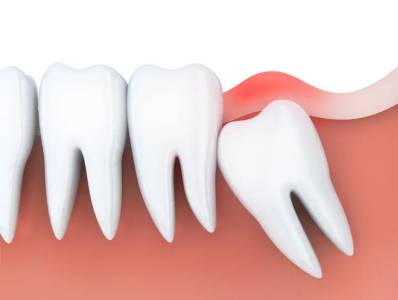
- Impacted Teeth: When wisdom teeth don't have enough room to erupt properly, they can become trapped beneath the gum line, against other teeth, or within the jawbone. This impaction can lead to pain, pressure, and damage to adjacent teeth.
- Pain & Discomfort: Persistent aching, throbbing, or pressure in the back of the jaw is a common symptom of problematic wisdom teeth.
- Infection (Pericoronitis): Partially erupted wisdom teeth create a flap of gum tissue (operculum) where food particles and bacteria can get trapped. This can lead to inflammation, swelling, and recurrent infections, causing severe pain and difficulty opening the mouth.
- Damage to Adjacent Teeth: Impacted wisdom teeth can push against second molars, potentially causing cavities, bone loss, or root resorption in the healthy tooth.
- Cysts or Tumors: In rare cases, fluid-filled sacs (cysts) or benign tumors can form around an impacted wisdom tooth, damaging bone and surrounding tissues.
- Crowding & Orthodontic Issues: While debated, wisdom teeth can sometimes contribute to the shifting and crowding of other teeth, potentially undoing previous orthodontic work.
- Difficulty Cleaning: Even if fully erupted, wisdom teeth are often difficult to reach and clean effectively, making them more susceptible to cavities and gum disease.
Our Comprehensive Wisdom Teeth Removal Process
We prioritize your comfort, safety, and understanding throughout every stage of your wisdom teeth removal journey.
Initial Consultation & Examination:
- A thorough oral examination by our experienced dentist or oral surgeon.
- Detailed digital X-rays (often a panoramic X-ray) to assess the precise position, depth, and proximity of your wisdom teeth to vital structures like nerves and sinuses.
- Review of your medical history and discussion of any concerns you may have.
- Development of a personalized treatment plan tailored to your specific needs and the complexity of your case.
Sedation & Anesthesia Options:
We offer various options to ensure your comfort and a pain-free experience:
- Local Anesthesia: Numbing the extraction site, allowing you to remain awake during the procedure.
- Nitrous Oxide (Laughing Gas): A mild sedative inhaled through a mask, helping you relax and reducing anxiety.
- Oral Sedation: Prescription medication taken before your appointment to induce a deeper state of relaxation.
- IV Sedation: Administered intravenously for a deeper, twilight sleep state, where you are conscious but deeply relaxed and unlikely to remember the procedure. This is monitored by our experienced team.
- We will discuss the best option for your comfort level and the complexity of your extraction during your consultation.
The Extraction Procedure:
- Once you are comfortably sedated and the area is numb, the dentist or oral surgeon will carefully proceed with the extraction.
- Simple Extraction: For fully erupted wisdom teeth, the tooth is gently loosened and removed.
- Surgical Extraction: For impacted teeth, a small incision may be made in the gum tissue, and sometimes a small amount of bone may need to be removed to access the tooth. The tooth might be sectioned into smaller pieces for easier and safer removal.
- After extraction, the site is meticulously cleaned, and sutures (stitches) may be used to close the gum tissue, promoting faster healing.
Post-Procedure Instructions & Recovery:
- You will receive detailed written and verbal instructions for post-operative care, covering pain management, swelling reduction, and controlling any light bleeding.
- Prescriptions for pain medication and/or antibiotics (if deemed necessary) will be provided.
- Comprehensive guidance on diet, oral hygiene, and activity restrictions during your recovery period.
- A follow-up appointment will be scheduled to monitor your healing progress and remove any non-dissolvable sutures.
What to Expect During Recovery
Recovery typically takes a few days to a week, depending on the complexity of the extraction and individual healing.
- Bleeding: Light bleeding or oozing is normal for the first 24-48 hours.
- Swelling: Expect some facial swelling, which usually peaks 2-3 days after surgery and gradually subsides.
- Pain: Managed effectively with prescribed or over-the-counter pain relievers.
- Bruising: Some bruising on the face or neck may occur, especially after more complex extractions.
- Limited Jaw Opening: Stiffness or soreness in the jaw can last for several days.
Tips for a Smooth and Comfortable Recovery:
- Rest: Get plenty of rest in the days following your surgery. Elevate your head with pillows.
- Ice Packs: Apply ice packs to the outside of your face (on and off for 20 minutes) for the first 24-48 hours to help reduce swelling.
- Pain Medication: Take prescribed pain medication as directed.
- Soft Diet: Stick to soft foods (soups, yogurt, mashed potatoes, smoothies without seeds) for several days. Gradually reintroduce solid foods as tolerated.
- Hydration: Drink plenty of fluids, but avoid using straws as the suction can dislodge the blood clot.
- Oral Hygiene: Gently rinse with warm salt water (1/2 tsp salt in 8 oz water) after 24 hours, especially after meals. Avoid brushing the extraction site directly for the first few days.
- Avoid: Smoking, alcohol, vigorous exercise, and spitting, as these can impede healing and increase the risk of complications like dry socket.
Why Choose [Your Clinic Name] for Your Wisdom Teeth Removal?
- Experienced Oral Surgeons & Dentists: Our team comprises highly qualified and compassionate professionals specializing in oral surgery and complex extractions.
- State-of-the-Art Technology: We utilize advanced diagnostic tools (like 3D imaging) and surgical techniques for precision, safety, and minimized invasiveness.
- Patient-Centered Care: Your comfort, safety, and understanding are our top priorities. We take the time to listen to your concerns and tailor treatment plans to your individual needs.
- Comfortable & Welcoming Environment: We strive to create a relaxing and stress-free atmosphere for all our patients.
- Comprehensive Sedation Options: From local anesthesia to IV sedation, we offer a range of choices to ensure a pain-free and relaxed procedure, customized to your anxiety levels.
- Detailed Post-Operative Support: We provide clear, easy-to-understand instructions and are readily available to answer your questions during your recovery period.
Frequently Asked Questions (FAQs)
Q: How long does the wisdom teeth removal procedure take? A: A typical wisdom tooth extraction can take anywhere from 20 minutes to an hour, depending on the number of teeth being removed and their complexity (e.g., degree of impaction).
Q: Will I feel pain during the procedure? A: With the appropriate anesthesia and sedation, you should not feel any pain during the extraction. You may feel some pressure or movement, but no sharp pain.
Q: When can I return to work or school? A: Most patients take 2-3 days off after the procedure. For more complex extractions or if you opt for deeper sedation, a week might be recommended to allow for full recovery.
Q: What is a "dry socket" and how can I prevent it? A: A dry socket (alveolar osteitis) occurs when the blood clot dislodges prematurely from the extraction site, exposing the underlying bone. It is painful. You can help prevent it by avoiding straws, smoking, spitting, and vigorous rinsing for the first few days after surgery.
Q: Is wisdom tooth removal covered by dental insurance? A: Many dental insurance plans offer coverage for wisdom tooth removal, especially if it is deemed medically necessary due to impaction, pain, or infection. Our administrative team can help you understand your benefits and assist with insurance claims.
Schedule Your Consultation Today!
Don't let wisdom tooth pain or potential complications disrupt your life. Contact [Your Clinic Name] today to schedule your comprehensive consultation. Our expert team will assess your needs, answer all your questions, and guide you through every step towards a healthier, more comfortable smile.
- Phone: [Your Clinic Phone Number]
- Email: [Your Clinic Email Address]
- Website: [Your Clinic Website Link]
- Address: [Your Clinic Full Address]
Disclaimer: This information is for general educational purposes only and does not constitute medical advice. Please consult with a qualified dental professional for personalized diagnosis and treatment recommendations. Individual results and recovery times may vary.