Description
Root Canal Treatment: Restore Your Smile, Eliminate Pain & Save Your Natural Tooth
Say Goodbye to Tooth Pain and Embrace a Healthy Smile!
Nagging toothache, sensitivity to hot and cold, or swelling around a tooth can be indicators of a deeper problem within your tooth's pulp. Root Canal Treatment (RCT) is a highly effective and common dental procedure designed to relieve severe pain, eradicate infection, and save your natural tooth from extraction. Despite common myths, modern RCT is a comfortable and highly successful procedure, allowing you to maintain your natural smile and chewing function for years to come.
What is a Root Canal Treatment?
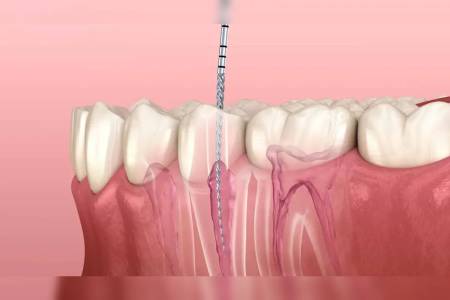
A root canal is a dental procedure that involves removing the infected or inflamed pulp (the soft tissue inside your tooth containing nerves and blood vessels) from the tooth's center. This space, known as the root canal, is then carefully cleaned, disinfected, shaped, and filled with a biocompatible material (usually gutta-percha). Finally, the tooth is sealed, often with a crown, to protect it from future infection and restore its full strength and function.
Why Might You Need a Root Canal? (Indications)
Root canal treatment becomes necessary when the pulp inside your tooth becomes inflamed, infected, or necrotic (dead). This can be caused by:
- Deep Decay: Untreated cavities that penetrate the enamel and dentin layers, reaching the pulp.
- Trauma: A chip, crack, or fracture in the tooth that exposes the pulp to bacteria.
- Repeated Dental Procedures: Multiple fillings or extensive dental work on the same tooth.
- Gum Disease: Advanced periodontal disease can sometimes affect the tooth's roots.
- Persistent Symptoms:
- Severe Toothache: Especially when chewing or applying pressure.
- Prolonged Sensitivity: To hot or cold temperatures, even after the source is removed.
- Swelling and Tenderness: In the gums surrounding the affected tooth.
- Pimple-like Lesion (Abscess): On the gums near the infected tooth.
- Tooth Discoloration: Darkening of the tooth.
The Benefits of Choosing Root Canal Treatment
Opting for a root canal treatment offers a multitude of advantages:
- Effective Pain Relief: Eliminates the source of your severe toothache and discomfort.
- Saves Your Natural Tooth: Prevents the need for extraction, preserving your natural dentition.
- Prevents Spread of Infection: Stops harmful bacteria from spreading to other teeth, gums, or even into your bloodstream.
- Maintains Chewing Function: Allows you to continue eating your favorite foods without pain or difficulty.
- Restores Aesthetics: With a proper final restoration (like a crown), your treated tooth will look and function just like your other natural teeth.
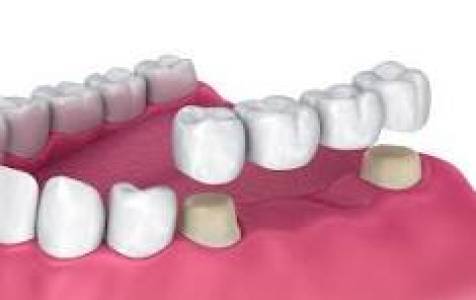
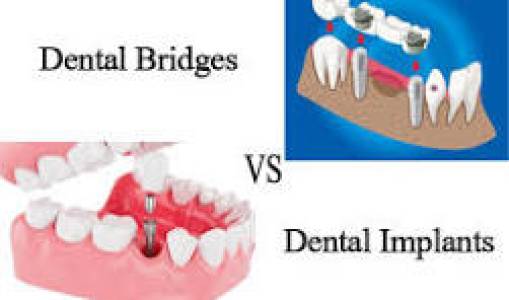
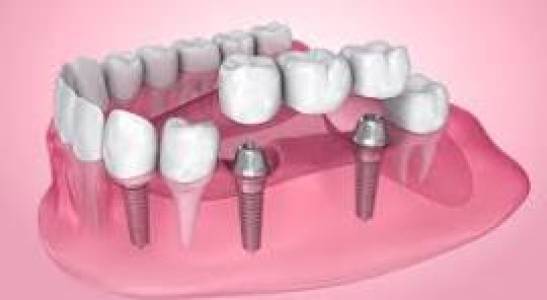
- Cost-Effective Long-Term: Often less expensive than extracting the tooth and replacing it with an implant or bridge.
- Protects Adjacent Teeth: Prevents shifting of neighboring teeth that can occur after an extraction.
Our Root Canal Treatment Process (What to Expect)
Our experienced dental team prioritizes your comfort and uses advanced techniques to ensure a smooth and effective root canal procedure:
- Comprehensive Examination & Diagnosis: We begin with a thorough examination, including digital X-rays and possibly a 3D scan, to accurately assess the extent of the infection and plan your treatment.
- Anesthesia: We administer a local anesthetic to thoroughly numb the affected tooth and surrounding area, ensuring a virtually pain-free experience during the procedure. Sedation options are also available for anxious patients.
- Isolation: A dental dam (a small sheet of latex or non-latex material) is placed around the tooth to keep it dry and free from saliva and bacteria during the treatment.
- Access Opening: A small opening is made on the crown of the tooth to access the pulp chamber and root canals.
- Cleaning & Shaping: Using specialized instruments, the infected or inflamed pulp is carefully removed. The root canals are then meticulously cleaned, disinfected, and shaped to prepare them for filling.
- Filling & Sealing: Once the canals are clean and dry, they are filled with a biocompatible material, typically gutta-percha, and sealed to prevent re-infection.
- Temporary Restoration: A temporary filling is placed to seal the access opening.
- Permanent Restoration (Crown): In most cases, a permanent restoration, such as a dental crown, is highly recommended and often necessary. This strengthens the treated tooth, protects it from fracture, and restores its natural appearance and function. This step is typically scheduled during a follow-up appointment.
Advanced Technology & Patient Comfort
We are committed to providing you with the highest standard of care. Our clinic utilizes state-of-the-art technology, including:
- Digital X-rays: For clear, immediate images with minimal radiation exposure.
- Dental Operating Microscopes: To provide enhanced visualization for precise and thorough treatment.
- Rotary Endodontics: Using flexible, nickel-titanium instruments for efficient and effective canal shaping.
- Advanced Anesthesia Techniques: To ensure your complete comfort throughout the procedure.
- Sedation Options: For patients who experience dental anxiety, we offer various sedation methods to help you relax.
Post-Treatment Care & Recovery
After your root canal, it's normal to experience some mild sensitivity or discomfort for a few days, which can be managed with over-the-counter pain relievers.
- Avoid Chewing: Until your permanent crown or filling is placed, avoid chewing hard foods on the treated tooth.
- Good Oral Hygiene: Continue your regular brushing and flossing routine.
- Follow-Up Appointments: Attend all scheduled follow-up appointments, especially for the placement of your permanent restoration.
- Long-Term Success: With proper care and a permanent restoration, your treated tooth can last a lifetime.
Frequently Asked Questions (FAQs)
- Is a root canal painful? Modern root canal treatment is typically performed under local anesthesia, making the procedure itself virtually pain-free. Most patients report feeling no more discomfort than a routine filling.
- How long does a root canal take? The procedure usually takes one or two appointments, each lasting between 60 to 90 minutes, depending on the complexity of the tooth and the extent of the infection.
- What happens if I don't get a root canal? Leaving an infected tooth untreated can lead to worsening pain, the spread of infection to other parts of your body, facial swelling, bone loss, and eventually, the need for tooth extraction.
- How successful is root canal treatment? Root canal treatment has a very high success rate, often exceeding 95%. With proper care and a good final restoration, a treated tooth can last a lifetime.
- Will I need a crown after a root canal? In most cases, yes. A crown is strongly recommended to protect the treated tooth from fracture, restore its strength, and prevent future contamination, ensuring the long-term success of the treatment.
Take the First Step Towards a Pain-Free Smile!
Don't let dental pain dictate your life. If you're experiencing symptoms of an infected tooth or have been advised to get a root canal, contact us today. Our compassionate and skilled team is here to answer your questions and guide you through a comfortable and effective treatment process.
[Call to Action: Schedule Your Consultation Today!]
[Your Clinic Name/Contact Information/Link to Appointment Page]