Description
Growth Modification: Guiding Your Child's Future Smile & Health
Unlock Your Child's Optimal Development with Early Orthodontic Intervention
Is your child showing signs of an developing overbite, underbite, or crossbite? Are you concerned about their facial symmetry or the way their teeth are coming together? Growth Modification is a specialized orthodontic treatment designed to address these issues during a critical developmental window, guiding jaw growth and influencing the alignment of permanent teeth for a healthier, more harmonious future.
At [Your Practice Name/Clinic], we believe in proactive care. Our expert team utilizes advanced growth modification techniques to harness your child's natural growth processes, often reducing the complexity and duration of future orthodontic treatments, and in some cases, preventing the need for more invasive interventions like jaw surgery later in life.
What is Growth Modification?
Growth modification is a type of interceptive orthodontics performed on growing children and adolescents. Unlike traditional braces that primarily move teeth, growth modification focuses on influencing the growth and development of the jaws (maxilla and mandible) and facial bones. By timing treatment with specific growth spurts, we can redirect growth patterns to correct skeletal discrepancies and create a better foundation for the emerging permanent teeth.
Who Benefits from Growth Modification?
Growth modification is most effective for children and pre-teens whose jaws are still developing. It is typically recommended for patients presenting with:
- Significant Overbite (Protruding Upper Jaw): Where the upper front teeth and jaw protrude significantly over the lower.
- Underbite (Protruding Lower Jaw): Where the lower front teeth and jaw sit in front of the upper teeth.
- Posterior Crossbite: When upper back teeth bite inside the lower back teeth, potentially leading to asymmetrical jaw growth.
- Narrow Upper Jaw (Palatal Constriction): Which can lead to crowding and crossbites.
- Deep Bite: Where the upper front teeth excessively overlap the lower front teeth.
- Open Bite: When the front teeth do not meet when the back teeth are closed.
- Early Loss or Eruption Issues: Guiding eruption pathways for permanent teeth.
- Facial Asymmetry: Addressing imbalances in jaw development.
Key Benefits of Early Intervention with Growth Modification:
Choosing growth modification for your child offers a multitude of advantages that extend beyond just aesthetics:
- Optimized Jaw Alignment: Guides the upper and lower jaws into a more balanced and functional relationship.
- Improved Bite Function: Enhances the ability to chew, speak, and swallow properly.
- Enhanced Facial Harmony: Creates a more balanced and symmetrical facial profile as your child grows.
- Reduced Future Treatment Complexity: Can simplify or shorten the duration of Phase II treatment (braces) later on.
- Potential Avoidance of Surgery: Early correction of severe skeletal issues can often prevent the need for orthognathic (jaw) surgery in adulthood.
- Improved Airway & Breathing: Correcting jaw position can sometimes improve nasal breathing and reduce the risk of sleep-disordered breathing.
- Reduced Risk of Dental Trauma: Correcting protruding front teeth reduces their susceptibility to injury.
- Boosted Self-Confidence: A healthy, aligned smile can significantly improve a child's self-esteem.
The Growth Modification Process:
- Comprehensive Orthodontic Exam: Our process begins with a thorough evaluation, including digital X-rays, 3D scans, and clinical assessment to diagnose specific growth patterns and potential issues.
- Personalized Treatment Plan: Based on the diagnosis, we'll create a customized growth modification plan tailored to your child's unique needs and growth potential.
- Appliance Placement: We'll select and place the appropriate orthodontic appliance(s) designed to exert gentle, consistent forces on the jaws.
- Regular Monitoring & Adjustments: Your child will attend regular appointments so we can monitor progress, make necessary adjustments to the appliances, and ensure treatment is on track.
- Transition to Phase II (if needed): After the growth modification phase, your child's treatment may transition to a second phase (often with traditional braces or aligners) to fine-tune tooth alignment once all permanent teeth have erupted.
Common Growth Modification Appliances:
Our practice utilizes a variety of state-of-the-art appliances, each chosen for its specific role in guiding jaw growth:
- Palatal Expanders: Widens a narrow upper jaw to create more space for teeth and correct crossbites.
- Headgear: Used to restrict upper jaw growth or encourage lower jaw growth, often addressing overbites.
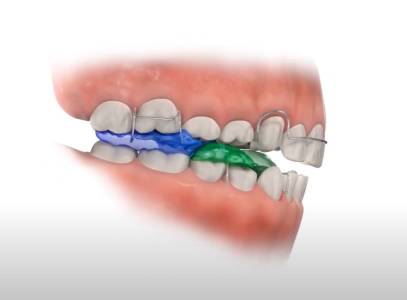
- Functional Appliances (e.g., Herbst Appliance, Twin Block Appliance): Removable or fixed appliances that encourage or restrict the growth of the upper and lower jaws to correct discrepancies.
- Facemasks/Reverse Pull Headgear: Used to encourage forward growth of the upper jaw, typically for underbites.
- Lingual Arches/Nance Appliances: Maintain space or prevent molar movement.
Why Choose [Your Practice Name/Clinic] for Your Child's Growth Modification?
- Specialized Expertise: Our orthodontists are highly trained and experienced in interceptive and growth modification techniques.
- Advanced Technology: We utilize the latest diagnostic tools and appliances for precise, effective, and comfortable treatment.
- Child-Friendly Environment: We create a welcoming, supportive, and fun atmosphere to make your child's orthodontic journey a positive one.
- Patient-Centered Care: We prioritize clear communication, ensuring parents and children understand every step of the process.
- Comprehensive Care: From initial consultation through retention, we're dedicated to achieving the best possible long-term results for your child.
Is Growth Modification Right for Your Child?
The best way to determine if your child can benefit from growth modification is through a comprehensive orthodontic consultation. We recommend an initial orthodontic screening by age 7, as this allows us to identify developing issues early and plan for optimal intervention.
Don't wait! Schedule your child's consultation at [Your Practice Name/Clinic] today to discuss how growth modification can positively impact their future smile and overall oral health.
Frequently Asked Questions (FAQs):
Q: At what age should my child be evaluated for growth modification? A: The American Association of Orthodontists recommends an initial orthodontic evaluation by age 7. This allows us to identify potential issues early and determine the optimal timing for growth modification.
Q: How long does growth modification treatment typically last? A: Treatment duration varies depending on the individual case and the appliance used, but it typically ranges from 6 to 18 months. This phase is often followed by a resting period before traditional braces or aligners are considered (Phase II).
Q: Is growth modification painful for my child? A: While your child might experience some initial discomfort or pressure as they adjust to a new appliance, this is usually temporary and manageable with over-the-counter pain relievers. Our team provides clear instructions and support to ensure their comfort.
Q: What is the success rate of growth modification? A: When performed by an experienced orthodontist on an appropriately selected patient during the correct growth window, growth modification has a very high success rate in achieving its intended goals. Patient compliance with wearing appliances is a crucial factor.
Q: Will my child still need braces after growth modification? A: In most cases, growth modification is "Phase I" of a two-phase treatment. While it corrects skeletal discrepancies, "Phase II" (often with braces or aligners) is usually needed to fine-tune the alignment of individual teeth once all permanent teeth have erupted. Growth modification often makes Phase II simpler and shorter.
[Your Practice Name/Clinic] [Your Address] [Your Phone Number] [Your Website]
Disclaimer: The information provided in this product description is for general informational purposes only and does not constitute medical advice. Every patient's needs are unique. A thorough examination and consultation with a qualified orthodontist are necessary to determine the most appropriate treatment plan for your child.