Description
Here's a detailed product description for Root Canal Treatment, formatted in Markdown:
Save Your Smile: Gentle & Effective Root Canal Treatment
Reclaim Your Comfort & Preserve Your Natural Tooth
Root Canal Treatment (RCT), often referred to as endodontic treatment, is a highly effective and common dental procedure designed to save a tooth that is severely damaged, decayed, or infected. Far from the fearful reputation it once held, modern root canal therapy is typically no more uncomfortable than a routine filling and can eliminate persistent pain, prevent further infection, and allow you to keep your natural tooth for a lifetime.
At [Your Clinic Name], we specialize in providing compassionate and state-of-the-art root canal treatment, focusing on your comfort and long-term oral health.
Key Benefits of Root Canal Treatment
Choosing root canal treatment over extraction offers numerous advantages for your oral health and overall well-being:
- Eliminates Pain: The primary benefit is relief from the often excruciating pain caused by an infected or inflamed tooth pulp.
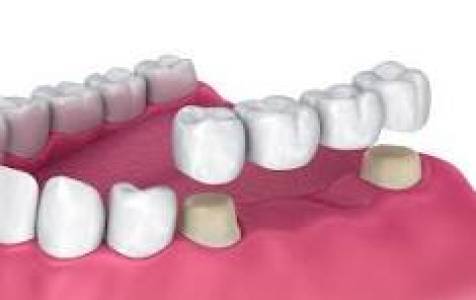
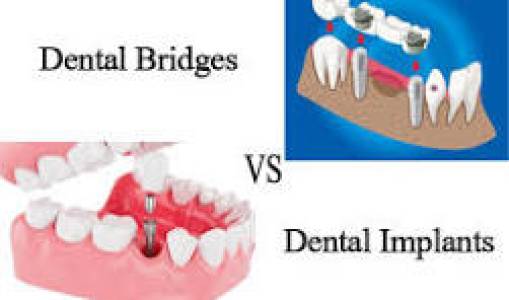
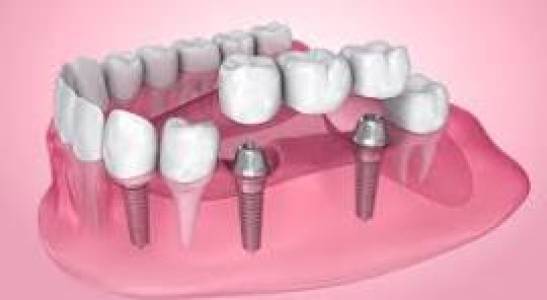
- Saves Your Natural Tooth: Preserves your original tooth, preventing the need for costly and complex tooth replacement options like implants or bridges.
- Prevents Further Infection: Removes bacteria and infected tissue, stopping the spread of infection to other teeth or surrounding bone.
- Restores Function: Allows you to chew and speak naturally without discomfort, restoring the full functionality of your bite.
- Maintains Aesthetics: Preserves your natural smile and facial structure, as losing a tooth can lead to changes in appearance.
- Cost-Effective: Often a more economical long-term solution compared to tooth extraction followed by a bridge or implant.
When is a Root Canal Needed? (Indications)
You might need a root canal if you experience any of the following symptoms or conditions:
- Persistent Tooth Pain: Ranging from mild to severe, often worsening at night or with pressure.
- Sensitivity to Hot and Cold: Lingering sensitivity even after the stimulus is removed.
- Swelling or Tenderness: Around the affected tooth or in the gums and jaw.
- A Pimple-Like Bump (Fistula): On the gums near the infected tooth, indicating pus drainage.
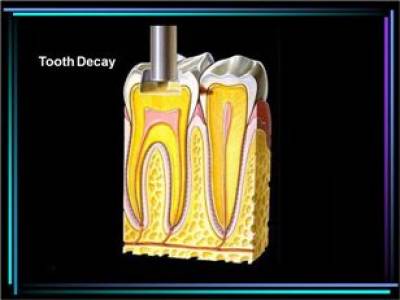
- Deep Decay or a Cracked Tooth: That has penetrated to the pulp chamber, exposing it to bacteria.
- Darkening of the Tooth: Discoloration of the affected tooth.
- Trauma: An injury to the tooth that has damaged the pulp.
The Root Canal Process: What to Expect
Our goal is to make your root canal experience as comfortable and efficient as possible. The procedure typically involves the following steps:
- Diagnosis & Anesthesia: We start with a thorough examination, including X-rays, to confirm the diagnosis. Local anesthesia is then administered to numb the tooth and surrounding area, ensuring you feel no pain during the procedure.
- Access Opening: A small opening is made on the top of the tooth (crown) to access the pulp chamber and root canals.
- Cleaning & Shaping: Tiny, flexible instruments are used to carefully remove the infected or inflamed pulp, bacteria, and debris from the root canals. The canals are then thoroughly cleaned, disinfected, and shaped to prepare them for filling.
- Filling (Obturation): Once the canals are clean and dry, they are filled with a biocompatible material, typically gutta-percha, to seal them completely and prevent reinfection.
- Final Restoration: A temporary filling is placed to seal the access opening. In most cases, a crown will be recommended as the final restoration to protect the treated tooth from future fractures and restore its full strength and appearance. This usually occurs in a follow-up appointment.
Post-Treatment Care & Recovery
After your root canal treatment, it's normal to experience some mild sensitivity or discomfort for a few days, which can be managed with over-the-counter pain relievers.
- Mild Sensitivity: You may experience sensitivity, especially if there was infection before the procedure. This should subside gradually.
- Pain Management: Take prescribed or over-the-counter pain medication as directed.
- Protecting the Tooth: Avoid chewing on the treated tooth until your permanent crown or restoration is placed to prevent fracture.
- Maintain Oral Hygiene: Continue with regular brushing and flossing.
- Follow-up Appointments: Ensure you attend your scheduled follow-up appointments, especially for the placement of your permanent crown.
Why Choose [Your Clinic Name] for Your Root Canal Treatment?
- Experienced & Caring Team: Our highly skilled dentists and endodontists have extensive experience in performing root canal treatments with precision and care.
- Advanced Technology: We utilize the latest dental technology, including digital X-rays, rotary endodontic instruments, and operating microscopes, for enhanced accuracy, efficiency, and patient comfort.
- Patient-Centered Comfort: We prioritize your comfort with personalized care, sedation options (if needed), and a soothing environment to minimize anxiety.
- Strict Sterilization Protocols: Your safety is paramount. We adhere to the highest standards of sterilization and infection control.
- Comprehensive Care: From diagnosis to final restoration, we provide a seamless and coordinated treatment plan for optimal outcomes.
Don't Let Tooth Pain Control Your Life!
If you are experiencing symptoms of a tooth infection or decay, don't delay. Prompt treatment can save your tooth and prevent further complications.
Contact [Your Clinic Name] today to schedule a consultation. Let us help you restore your oral health and bring back your comfortable, confident smile.
[Your Clinic Phone Number] | [Your Clinic Website/Contact Page Link]
Disclaimer: Individual results may vary. A thorough consultation with our dental professionals is necessary to determine the most appropriate treatment plan for your specific needs.