Description
Here's a detailed product description for Endodontic Treatment (Root Canal) in Markdown format, suitable for a dental practice website or informational brochure.
Endodontic Treatment (Root Canal) - Save Your Natural Tooth & Restore Your Health
Endodontic treatment, commonly known as a root canal, is a highly effective and routine dental procedure designed to save a natural tooth that has become severely damaged, infected, or inflamed. Instead of extracting a compromised tooth, root canal therapy allows us to preserve its structure, function, and aesthetics, helping you maintain a complete and healthy smile for years to come.
What is a Root Canal?
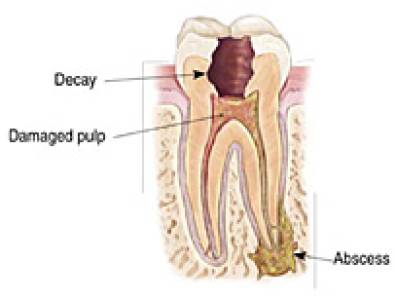
At the core, a root canal is a treatment to remove infected or damaged pulp (the soft tissue inside your tooth containing nerves and blood vessels). Once the pulp is removed, the inside of the tooth is carefully cleaned, disinfected, shaped, and then filled and sealed. Finally, the tooth is restored, typically with a crown, to protect it and ensure it functions normally.
Why You Might Need a Root Canal
The most common reasons for needing endodontic treatment include:
- Persistent Tooth Pain: Moderate to severe pain, especially when chewing or applying pressure, or a throbbing pain that lingers.
- Sensitivity to Hot and Cold: Lingering sensitivity even after the hot or cold stimulus is removed.
- Swelling and Tenderness: Swelling in the gums surrounding the affected tooth, or tenderness when touching the area.
- A "Pimple" on the Gums (Abscess): A small, pimple-like bump on the gums that may periodically drain pus, indicating an infection.
- Tooth Discoloration: Darkening or discoloration of the tooth, often indicating nerve damage.
- Deep Decay or Cavities: When a cavity penetrates deep enough to reach the pulp chamber, leading to infection.
- Trauma to the Tooth: A chip, crack, or injury that exposes the pulp or causes nerve damage.
- Repeated Dental Procedures: Extensive or repeated dental work on the same tooth can sometimes irritate the pulp.
What to Expect: The Root Canal Procedure
The process is typically completed in one or two appointments and is often no more uncomfortable than having a filling placed, thanks to modern anesthetics and techniques.
- Diagnosis: We'll conduct a thorough examination, including X-rays, to confirm the presence and extent of infection or damage.
- Anesthesia: Local anesthetic will be administered to numb the tooth and surrounding area, ensuring you are completely comfortable throughout the procedure.
- Isolation: A dental dam (a small sheet of latex or non-latex material) is placed around the tooth to isolate it, keeping it clean and free from saliva during treatment.
- Access Opening: A small opening is made in the crown of the tooth to access the pulp chamber and root canals.
- Cleaning & Shaping: The infected or inflamed pulp is carefully removed using specialized instruments. The inside of the root canals is then meticulously cleaned, disinfected, and shaped to prepare them for filling.
- Filling (Obturation): Once the canals are clean and dry, they are filled with a biocompatible, rubber-like material called gutta-percha, which is sealed with an adhesive cement to prevent re-infection.
- Temporary Restoration: A temporary filling is placed in the access opening to protect the tooth until your next appointment for a permanent restoration.
- Permanent Restoration: This is a crucial final step. After your root canal is complete, a permanent crown or filling will be placed over the treated tooth. This strengthens the tooth, prevents future fracture, and restores its natural appearance and function.
The Benefits of Choosing Root Canal Therapy
Opting for a root canal offers numerous advantages:
- Eliminates Pain & Infection: Directly addresses the source of your pain and removes harmful bacteria.
- Saves Your Natural Tooth: Preserves your original tooth, preventing the need for extraction.
- Prevents Spread of Infection: Stops the infection from spreading to adjacent teeth, gums, or other parts of your body.
- Maintains Oral Function: Allows you to continue chewing, speaking, and smiling naturally.
- Preserves Aesthetics: Keeps your natural smile intact, preventing gaps or shifting of teeth that can occur with extraction.
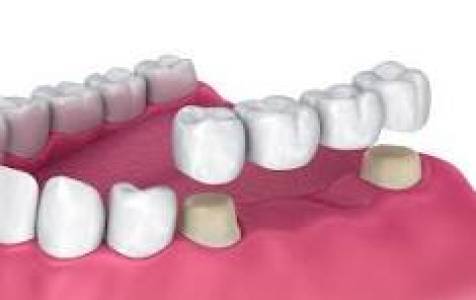
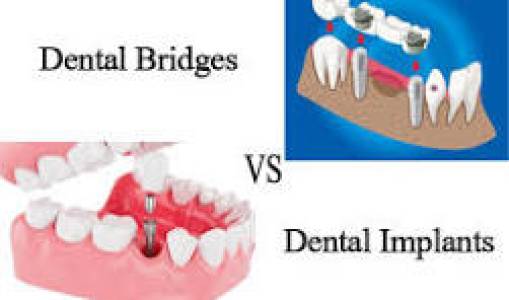
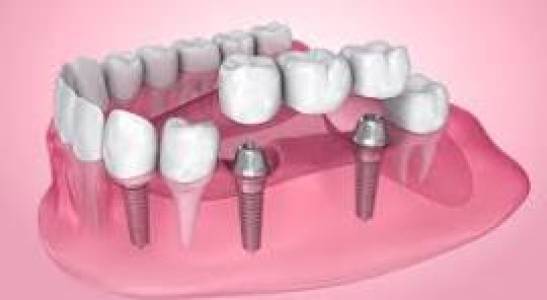
- Cost-Effective: Often more economical in the long run than extracting a tooth and replacing it with a bridge or dental implant.
- High Success Rate: Modern endodontic treatments boast a very high success rate, often lasting a lifetime with proper care.
Post-Treatment Care & What to Expect
After your root canal procedure:
- Temporary Sensitivity: It's normal to experience some mild sensitivity or soreness for a few days, especially if there was pre-existing infection.
- Medication: Over-the-counter pain relievers (like ibuprofen or acetaminophen) are usually sufficient. We may prescribe stronger medication if needed.
- Avoid Chewing: It's important to avoid chewing on the treated tooth until your permanent crown or filling is placed to prevent fracture.
- Oral Hygiene: Continue your regular brushing and flossing routine.
- Permanent Restoration: Ensure you return for your permanent crown or filling appointment as scheduled. This step is vital for the long-term success and protection of your treated tooth.
- Follow-Up: Regular dental check-ups are essential to monitor your oral health.
Why Choose [Your Clinic Name] for Your Root Canal?
At [Your Clinic Name], we are committed to providing the highest standard of endodontic care:
- Experienced Professionals: Our skilled dentists and/or endodontists have extensive experience in performing root canal treatments with precision and care.
- Advanced Technology: We utilize state-of-the-art equipment, including digital X-rays and specialized magnification tools, to ensure accurate diagnosis and efficient treatment.
- Patient-Centered Approach: Your comfort and well-being are our top priorities. We take the time to explain every step, answer your questions, and ensure a pain-free experience.
- Sterilization & Safety: We adhere to the highest standards of sterilization and infection control to guarantee a safe treatment environment.
- Comfort & Relaxation: We strive to create a calm and reassuring atmosphere to help alleviate any anxieties you may have.
Don't Let Tooth Pain Control Your Life!
If you're experiencing symptoms of a compromised tooth, don't delay. Endodontic treatment is a safe, effective, and lasting solution to save your tooth, alleviate pain, and restore your oral health.
[Call to Action Button/Link]: Schedule Your Consultation Today!
[Phone Number] | [Website] | [Address]