Description
Here's a detailed product description for Braces, formatted in Markdown:
Braces: Your Path to a Straighter, Healthier Smile
Are you dreaming of a perfectly aligned smile that radiates confidence and improves your overall oral health? Braces are a time-tested, highly effective orthodontic solution designed to correct misaligned teeth and jaws, guiding them into their optimal positions for a beautiful, functional bite.
What Are Braces?
Braces are dental devices primarily used to correct orthodontic issues such as crooked teeth, overcrowded mouths, gaps, and various bite problems (overbite, underbite, crossbite). They work by applying gentle, continuous pressure over time, gradually moving teeth into their correct alignment.
Why Choose Braces? The Benefits Extend Beyond Aesthetics
Investing in braces is an investment in your long-term health and well-being. The advantages include:
- Enhanced Appearance & Confidence: Achieve the straight, symmetrical smile you've always wanted, boosting self-esteem and social interactions.
- Improved Oral Health: Straight teeth are easier to clean, reducing the risk of plaque buildup, cavities, and gum disease.
- Better Chewing & Digestion: Properly aligned teeth improve your ability to chew food effectively, aiding digestion.
- Reduced Risk of Injury: Protruding teeth are more susceptible to injury; braces can bring them into safer alignment.
- Alleviation of Jaw Pain (TMJ): Correcting bite issues can relieve stress on the temporomandibular joints, reducing headaches and jaw discomfort.
- Prevention of Abnormal Wear: Misaligned teeth can wear unevenly, leading to chipping or damage. Braces ensure even distribution of chewing forces.
- Long-Term Oral Health Investment: A healthy bite and straight teeth contribute to the longevity of your natural teeth.
Discover Your Ideal Braces Solution: Types Available
Modern orthodontics offers a variety of braces types, each with unique advantages. Your orthodontist will help determine the best option for your specific needs, lifestyle, and aesthetic preferences.
1. Traditional Metal Braces
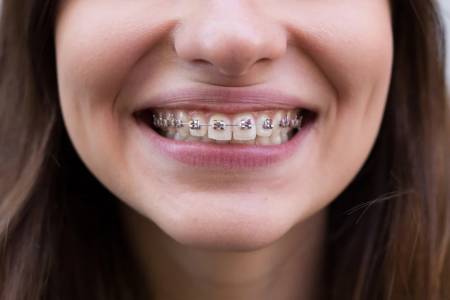
- Description: The most common and recognizable type, made from high-grade stainless steel. Modern metal braces are smaller, sleeker, and more comfortable than ever before.
- How they work: Brackets are bonded to the front of the teeth, connected by a thin archwire. Small elastic bands (ligatures) or self-ligating clips hold the wire in place.
- Pros: Highly durable, very effective for even complex cases, typically the most cost-effective option, and patients can personalize them with colored elastic ties.
- Cons: Most visible type of braces.
2. Ceramic Braces
- Description: Similar in size and shape to metal braces, but the brackets are made from translucent or tooth-colored ceramic material.
- How they work: Function identically to metal braces, using an archwire and ligatures, but designed to blend in more with your natural teeth.
- Pros: Significantly less noticeable than metal braces, making them a popular choice for adults and older teens concerned about aesthetics.
- Cons: Can be more fragile and slightly larger than metal braces, may stain over time (especially with coffee, tea, or smoking), and can be slightly more expensive.
3. Lingual Braces
- Description: These are custom-made braces that are placed on the inside (lingual side) of your teeth, making them virtually invisible from the outside.
- How they work: Custom brackets and wires are designed to fit the contours of the inner tooth surface, applying pressure to move teeth.
- Pros: Completely discreet and aesthetically pleasing, as they are hidden from view.
- Cons: More expensive than other types, can be harder to clean, may initially affect speech, and can be uncomfortable for the tongue. Not suitable for all cases.
4. Clear Aligners (e.g., Invisalign®)
- Description: While not traditional "braces" in the sense of brackets and wires, clear aligners are a popular and effective alternative for many orthodontic issues. They consist of a series of custom-made, clear, removable plastic trays that gradually shift teeth.
- How they work: Each aligner tray is worn for about 1-2 weeks before moving to the next in the series, slowly moving teeth into their desired position.
- Pros: Nearly invisible, removable for eating, brushing, and flossing, generally more comfortable, and fewer dietary restrictions.
- Cons: Requires strong patient compliance (must be worn 20-22 hours/day), may not be suitable for very complex cases, and can be more expensive than traditional metal braces.
The Braces Journey: What to Expect
Your orthodontic treatment is a personalized journey. Here's a general overview of the process:
1. Initial Consultation
A comprehensive examination, including X-rays, digital scans, and photos, will be performed to assess your oral health and determine if braces are the right solution for you. Your orthodontist will discuss your goals and treatment options.
2. Treatment Planning
Based on the diagnosis, a detailed, customized treatment plan will be created. This includes the type of braces, estimated treatment duration, and financial details.
3. Braces Placement
Once your treatment plan is finalized, your braces will be carefully bonded to your teeth. This is a painless procedure, though it may take a few hours.
4. Regular Adjustments
You'll visit your orthodontist every 4-8 weeks for adjustments. During these appointments, the archwire will be tightened or replaced, and elastics might be changed to continue the tooth movement process.
5. Braces Removal
Once your teeth have reached their ideal positions, your braces will be gently removed. This is a quick and painless process, revealing your beautifully straight smile!
6. Retention Phase
This crucial phase ensures your results last a lifetime. You'll be fitted with a retainer (either removable or fixed) that must be worn as instructed to prevent your teeth from shifting back to their original positions.
Living with Braces: Tips for Success
Adjusting to braces is easy with a few simple guidelines:
- Oral Hygiene is Key: Brush thoroughly after every meal and snack. Floss daily using special orthodontic flossers or threaders. Consider an oral irrigator (Waterpik) to reach tricky areas.
- Dietary Adjustments: Avoid hard, sticky, or chewy foods that can damage brackets or wires (e.g., caramels, hard candies, popcorn, nuts, chewing gum, whole apples, corn on the cob).
- Managing Discomfort: You may experience some soreness for a few days after initial placement or adjustments. Over-the-counter pain relievers and orthodontic wax (to cover irritating brackets/wires) can help.
- Regular Dental Check-ups: Continue with your regular dental cleanings and check-ups to maintain overall oral health during treatment.
- Orthodontic Emergencies: If a wire pokes, a bracket comes loose, or you experience significant discomfort, contact your orthodontist immediately.
Is Braces Treatment Right For You?
If you experience any of the following, braces could be an excellent solution:
- Overcrowding: Not enough space for teeth to erupt normally.
- Spacing: Gaps between teeth.
- Overbite (Protrusion): Upper front teeth overlap lower front teeth excessively.
- Underbite: Lower front teeth extend beyond upper front teeth.
- Crossbite: Upper teeth bite inside the lower teeth.
- Open Bite: A gap between the upper and lower front teeth when the mouth is closed.
Invest in Your Smile & Health Today!
Don't wait to achieve the smile you've always wanted and the oral health benefits that come with it. Braces offer a transformative journey for patients of all ages.
Ready to start your journey to a perfect smile?
Schedule your FREE consultation with our expert orthodontists today!
[Clinic Name/Website] [Phone Number] | [Email Address] [Clinic Address]
Important Note: Individual results may vary. A thorough consultation with a qualified orthodontist is essential to determine the most appropriate treatment plan for your specific needs.