Description
Root Canal Treatment (RCT): Save Your Smile, Eliminate Pain, Preserve Your Natural Tooth
Introduction: Don't Let Tooth Pain Steal Your Smile
Are you experiencing persistent tooth pain, sensitivity, or swelling? You might be suffering from an infected or inflamed tooth pulp – the soft tissue inside your tooth containing nerves and blood vessels. Root Canal Treatment (RCT), also known as endodontic treatment, is a highly effective and common dental procedure designed to save your natural tooth, eliminate pain, and prevent the spread of infection, allowing you to regain your oral health and comfort.
Instead of extraction, RCT offers a long-term solution to preserve your natural tooth, which is always the best option for maintaining chewing function, natural aesthetics, and overall oral structure.
What is Root Canal Treatment?
Root Canal Treatment is a specialized procedure that removes the infected or inflamed pulp from inside a tooth. Once the damaged pulp is removed, the inside of the tooth is carefully cleaned, disinfected, and shaped, then filled and sealed with a rubber-like material called gutta-percha. Finally, the tooth is restored with a crown or filling to protect it and return it to full function.
The Problem RCT Solves: When Your Tooth's Core is Compromised
The dental pulp can become infected or inflamed due to:
- Deep Decay: Untreated cavities can reach the pulp.
- Repeated Dental Procedures: Multiple treatments on the same tooth can stress the pulp.
- Cracks or Chips: Fractures can expose the pulp to bacteria.
- Trauma: An injury to the tooth, even without visible chips or cracks, can damage the pulp.
Left untreated, an infected pulp can lead to:
- Severe Pain: Ranging from throbbing to sharp sensitivity.
- Abscess Formation: A painful pocket of pus at the root tip.
- Bone Loss: Infection can erode the bone surrounding the tooth.
- Facial Swelling: Swelling that can spread to the jaw, neck, or head.
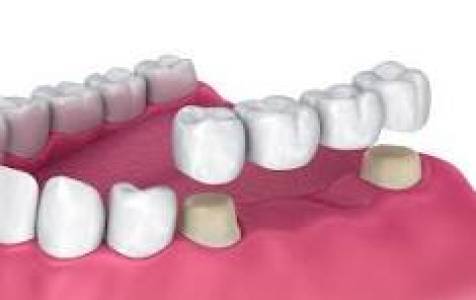
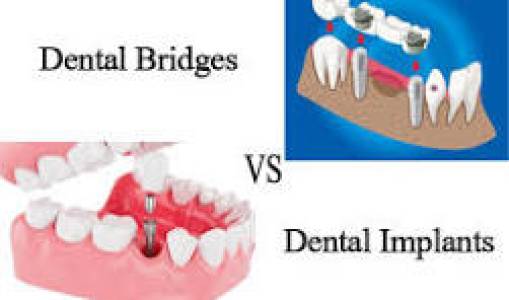
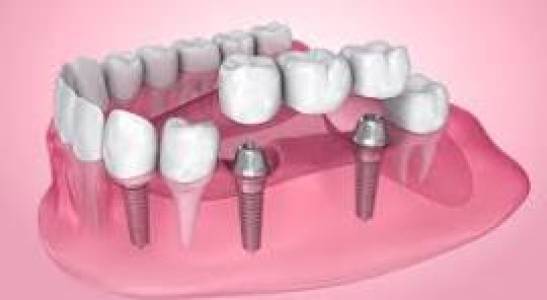
- Tooth Loss: The ultimate consequence, often requiring more complex and costly replacements like implants or bridges.
Key Benefits of Choosing Root Canal Treatment
- Preserves Your Natural Tooth: The primary advantage, allowing you to keep your existing tooth.
- Eliminates Pain & Discomfort: Effectively removes the source of infection and inflammation, providing immediate relief.
- Stops Infection Spread: Prevents bacteria from spreading to other teeth, gums, and even into the bloodstream.
- Restores Chewing & Biting Function: Once restored, your tooth can function normally again.
- Maintains Natural Appearance: Keeps your smile looking natural and avoids gaps caused by extractions.
- Prevents Shifting of Adjacent Teeth: Preserving the tooth prevents neighboring teeth from drifting into the empty space.
- Cost-Effective Long-Term Solution: Often less expensive and less invasive than tooth extraction followed by a bridge or implant.
- High Success Rate: With proper care, a treated tooth can last a lifetime.
Who Needs Root Canal Treatment? Common Symptoms
You may be a candidate for RCT if you experience any of the following:
- Persistent Tooth Pain: Moderate to severe pain, especially when chewing or applying pressure.
- Prolonged Sensitivity: Lingering sensitivity to hot or cold temperatures, even after the source is removed.
- Swollen, Tender Gums: Tenderness or swelling in the gums near the affected tooth.
- Pimple-like Bump on Gums (Fistula): A small bump that may release pus.
- Tooth Discoloration: Darkening of the tooth, indicating pulp death.
- Swelling in the Face or Neck: A sign of widespread infection.
The RCT Procedure: What to Expect
While the idea of a root canal may sound daunting, modern techniques and anesthetics make the procedure as comfortable as a routine filling.
- Diagnosis & Planning: We start with a thorough examination, including digital X-rays, to confirm the diagnosis and plan your treatment.
- Anesthesia: Local anesthetic is administered to numb the affected tooth and surrounding area, ensuring a pain-free experience.
- Access Opening: A small opening is made in the crown of the tooth to access the pulp chamber and root canals.
- Pulp Removal: The infected or inflamed pulp is carefully removed using specialized instruments.
- Cleaning & Shaping: The root canals are meticulously cleaned, disinfected, and shaped to prepare them for filling.
- Filling & Sealing: The cleaned canals are filled with a biocompatible material (gutta-percha) and sealed to prevent re-infection.
- Temporary Restoration: A temporary filling is placed to protect the tooth between appointments.
- Permanent Restoration: In most cases, a dental crown is recommended after RCT to protect the treated tooth from fracture and restore its full function and appearance.
Why Choose Our Practice for Your Root Canal Treatment?
- Experienced Endodontists/Dentists: Our team comprises highly skilled professionals with extensive experience in performing successful root canal treatments.
- Advanced Technology: We utilize state-of-the-art equipment, including digital X-rays, rotary endodontic instruments, and magnification, for precise and efficient treatment.
- Patient Comfort Focus: We prioritize your comfort with gentle techniques, effective local anesthesia, and sedation options for anxious patients.
- Sterile Environment: Our clinic adheres to the highest standards of sterilization and hygiene for your safety.
- Personalized Care: We take the time to explain your condition, treatment options, and answer all your questions.
- Comprehensive Follow-Up: We provide clear post-treatment care instructions and ensure proper follow-up to monitor your healing and finalize your restoration.
After Your Root Canal Treatment
It's normal to experience some mild sensitivity or soreness for a few days following your RCT, especially when chewing. This can typically be managed with over-the-counter pain medication. It is crucial to return for your permanent restoration (crown or permanent filling) as recommended by your dentist to fully protect the treated tooth and ensure its long-term success.
Take the First Step Towards a Pain-Free Smile!
Don't let dental pain dictate your life or risk losing a natural tooth. Root Canal Treatment can provide lasting relief and preserve your natural smile.
Schedule a consultation today to discuss your symptoms and see if Root Canal Treatment is the right solution for you. Our compassionate team is here to guide you through every step of the process.
[Your Clinic Name/Logo Here] [Your Clinic Address] [Your Clinic Phone Number] [Your Clinic Website] [Your Clinic Email Address]
Disclaimer: This product description is for informational purposes only and does not constitute medical advice. Please consult with a qualified dental professional for diagnosis, treatment, and personalized recommendations for your specific oral health needs.