Description
Root Canal Treatment: Save Your Smile, Relieve Your Pain
Are you experiencing persistent tooth pain, extreme sensitivity, or swelling around a tooth? These could be signs of an infected or damaged tooth pulp, a condition that left untreated can lead to severe complications, including tooth loss.
Root Canal Treatment (RCT), also known as endodontic treatment, is a highly effective and widely performed procedure designed to save a natural tooth that has become severely infected or damaged. Don't let dental pain dictate your life or lead to tooth extraction. RCT offers a proven path to pain relief and long-term tooth preservation.
What is Root Canal Treatment?
At its core, Root Canal Treatment involves carefully removing the inflamed or infected pulp (the soft tissue inside your tooth containing nerves, blood vessels, and connective tissue). Once the pulp is removed, the inside of the tooth, including the root canals, is meticulously cleaned, disinfected, shaped, and then filled with a biocompatible material called gutta-percha. Finally, the tooth is sealed with a filling or crown to protect it from future infection and restore its full function.
It's akin to deep cleaning and sanitizing the internal chamber of your tooth, thereby eliminating the source of pain and infection while preserving the outer tooth structure.
Why Might You Need a Root Canal?
Root Canal Treatment is typically recommended when the pulp of a tooth becomes infected or inflamed due to:
- Deep Decay: Untreated cavities that reach the pulp.
- Repeated Dental Procedures: On the same tooth.
- Cracks or Chips: In the tooth that expose the pulp.
- Trauma to the Tooth: A severe blow or injury, even if there's no visible chip or crack.
Common symptoms indicating a need for RCT include:
- Persistent tooth pain, ranging from mild to severe, especially when chewing.
- Sensitivity to hot or cold temperatures that lingers after the stimulus is removed.
- Swelling and tenderness in the surrounding gums.
- A "pimple-like" bump on the gums near the affected tooth (a dental abscess).
- Discoloration or darkening of the tooth.
The Benefits of Choosing Root Canal Treatment
Opting for a Root Canal Treatment offers numerous advantages beyond simply eliminating pain:
- Pain Relief: The primary and most immediate benefit is the cessation of the severe pain caused by infection and inflammation.
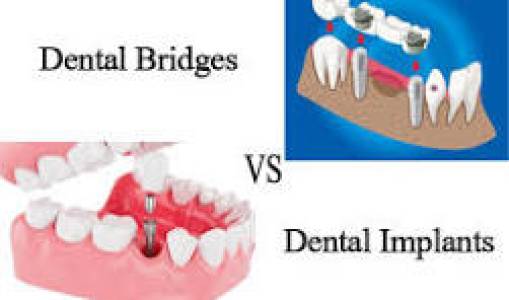
- Saves Your Natural Tooth: RCT allows you to keep your natural tooth, preventing the need for extraction and avoiding the complexities and costs associated with tooth replacement options like implants or bridges.
- Prevents Infection Spread: It stops the spread of harmful bacteria from the infected pulp to other teeth, gums, and even into your bloodstream.
- Restores Oral Health & Function: A successfully treated tooth can function normally for chewing and speaking, just like your other natural teeth.
- Maintains Natural Appearance: Keeping your natural tooth helps maintain your smile's aesthetics and prevents jawbone deterioration that can occur with tooth loss.
- Cost-Effective Long-Term: While there's an initial investment, saving your natural tooth is often more cost-effective over your lifetime compared to extraction and subsequent tooth replacement procedures.
The Root Canal Procedure: What to Expect
Modern Root Canal Treatment is a sophisticated and typically comfortable procedure performed in one or two visits. Here's a general overview:
- Diagnosis & Anesthesia: We start with a thorough examination, including X-rays, to confirm the diagnosis. Local anesthesia is then administered to numb the affected tooth and surrounding area, ensuring you are comfortable throughout the entire procedure.
- Access Opening: A small opening is made through the crown of the tooth to access the pulp chamber and root canals.
- Pulp Removal & Cleaning: Using specialized instruments, the infected or inflamed pulp is carefully removed. The canals are then thoroughly cleaned, disinfected, and shaped to prepare them for filling.
- Shaping & Filling: After cleaning, the canals are filled with a sterile, rubber-like material called gutta-percha, which seals them off to prevent future infection.
- Restoration: A temporary filling is placed to protect the tooth. In most cases, a permanent crown or other restorative filling will be placed in a subsequent visit to fully protect the treated tooth, restore its strength, and ensure its long-term success.
Addressing Common Concerns
Is Root Canal Treatment Painful?
A common misconception is that root canals are excruciatingly painful. In reality, modern root canal treatments are performed with effective local anesthesia, making the procedure itself no more uncomfortable than getting a routine filling. The treatment actually relieves the severe pain caused by the infection, rather than causing it. Post-procedure discomfort is usually mild and easily managed with over-the-counter pain medication.
What About Aftercare?
After your root canal treatment, you might experience some mild tenderness or sensitivity for a few days, which is normal. We'll provide detailed aftercare instructions, which typically include:
- Avoiding chewing on the treated tooth until your permanent restoration (crown) is placed.
- Maintaining good oral hygiene, including regular brushing and flossing.
- Taking prescribed or over-the-counter pain medication as needed.
- Attending your follow-up appointments to ensure proper healing and placement of your permanent crown.
Invest in Your Oral Health
Don't delay addressing persistent dental pain or symptoms of an infected tooth. An untreated infection can lead to more serious complications, including widespread infection, abscess formation, and eventual tooth loss.
Root Canal Treatment offers a proven, predictable, and highly successful solution to save your natural tooth, eliminate pain, and restore your oral health.
Ready to Relieve Your Pain and Save Your Tooth?
If you're experiencing symptoms that suggest you might need a root canal, or if you simply have questions about the procedure, don't hesitate.
Contact us today to schedule a consultation. Our experienced team is here to assess your condition, answer all your questions, and provide you with a personalized, comfortable, and effective treatment plan.
Reclaim your comfort and your confident smile!