Description
Here's a detailed product description for Dental Bridges, formatted in Markdown:
Dental Bridges: Restore Your Smile and Confidence
Seamlessly Bridge the Gap of Missing Teeth
Missing teeth can impact more than just your smile's appearance; they can affect your ability to eat, speak clearly, and even lead to shifting of remaining teeth and changes in your facial structure. Dental bridges offer a highly effective and aesthetically pleasing solution to replace one or more missing teeth, "bridging" the gap with a custom-made prosthetic.
What Are Dental Bridges?
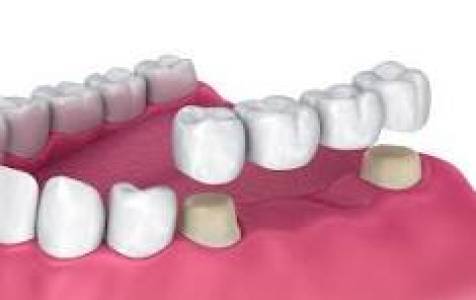
A dental bridge is a custom-fabricated dental restoration designed to replace one or more missing teeth. It consists of two or more crowns for the teeth on either side of the gap – these are called the abutment teeth – and a false tooth or teeth in between, called a pontic. These pontics are made to look and function like natural teeth, restoring the continuity of your dental arch.
Bridges are typically made from durable materials such as porcelain, ceramic, zirconia, or a combination of these with metal, meticulously matched to the shade of your natural teeth for a natural, virtually undetectable result.
Why Choose a Dental Bridge?
Opting for a dental bridge offers a multitude of benefits, enhancing both your oral health and overall well-being:
- Restore Your Smile's Aesthetics: Replace missing teeth with lifelike prosthetics that blend seamlessly with your natural dentition, giving you back a complete and confident smile.
- Improve Chewing and Speech: Regain the ability to chew a wider variety of foods comfortably and speak more clearly, eliminating lisps or whistling caused by gaps.
- Prevent Remaining Teeth from Shifting: Fill the space created by missing teeth, which prevents adjacent teeth from drifting into the gap, maintaining proper bite alignment.
- Maintain Facial Structure: Missing teeth can lead to changes in your facial contours. Bridges help preserve the natural shape of your face and jawline.
- Distribute Bite Forces: By filling the gap, a bridge helps distribute the forces in your bite more evenly, reducing stress on remaining teeth.
- A Long-Lasting & Reliable Solution: With proper care, dental bridges are a durable and reliable option for tooth replacement that can last for many years.
Types of Dental Bridges
Different types of dental bridges are available, each suited to specific oral conditions and patient needs:
- 1. Traditional Bridges:
- Description: The most common type, where crowns are placed on the healthy natural teeth (abutment teeth) on either side of the gap, with the pontic(s) suspended between them.
- Ideal For: Patients with healthy natural teeth adjacent to the missing tooth gap.
- Consideration: Requires the preparation (shaping) of healthy adjacent teeth to accommodate the crowns.
- 2. Cantilever Bridges:
- Description: Used when there is only one natural tooth adjacent to the missing tooth gap. The pontic is supported by a crown on a single abutment tooth.
- Ideal For: Specific situations where only one side of the gap is suitable for support.
- Consideration: Less common due to potentially higher stress on the single abutment tooth, making it less suitable for areas with strong biting forces.
- 3. Maryland (Resin-Bonded) Bridges:
- Description: Consists of a pontic with metal or porcelain "wings" extending from its sides. These wings are bonded to the back surface of the adjacent natural teeth with a strong resin cement.
- Ideal For: Replacing a single front tooth where the adjacent teeth are healthy and don't require crowns. It's a more conservative option.
- Consideration: Less strong than traditional bridges and may not be suitable for molars or areas of heavy bite.
- 4. Implant-Supported Bridges:
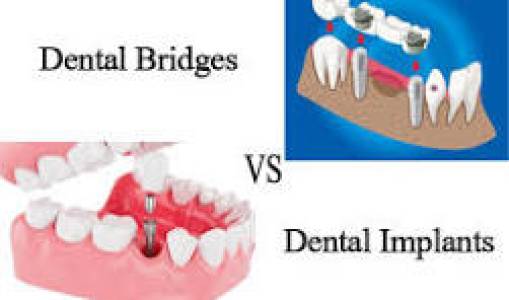
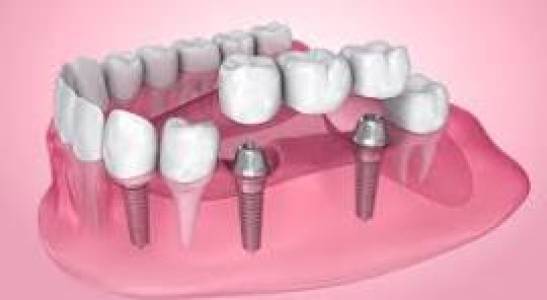
- Description: Instead of relying on natural teeth for support, this type of bridge is anchored by dental implants surgically placed into the jawbone. If you're missing three or more teeth in a row, two implants can support a bridge of three or four crowns.
- Ideal For: Patients missing multiple teeth who desire maximum stability and bone preservation, and do not want to alter adjacent natural teeth.
- Consideration: Requires dental implant surgery, a longer treatment timeline, and a healthy jawbone. Often considered the most stable and long-lasting option.
The Dental Bridge Procedure
The process of getting a dental bridge typically involves a few appointments:
- Initial Consultation & Planning: Your dentist will conduct a thorough examination, including X-rays, to assess your oral health, discuss your options, and determine the most suitable type of bridge for your needs.
- Tooth Preparation: For traditional or cantilever bridges, the abutment teeth are carefully reshaped and reduced in size to prepare them for the crowns. For Maryland bridges, minimal or no preparation of adjacent teeth is needed.
- Impressions: Accurate impressions (molds) of your prepared teeth and bite are taken. These impressions are sent to a dental lab where your custom bridge will be meticulously crafted.
- Temporary Bridge Placement: A temporary bridge will be placed to protect your prepared teeth and maintain aesthetics while your permanent bridge is being fabricated.
- Final Placement: Once your custom bridge is ready, you'll return for your final appointment. Your dentist will fit, adjust, and permanently cement the bridge into place, ensuring a comfortable and perfect bite.
Caring for Your Dental Bridge
With proper care, your dental bridge can last for many years, often exceeding 10-15 years. Here are essential tips for maintenance:
- Maintain Excellent Oral Hygiene: Brush your teeth twice daily with fluoride toothpaste and floss daily.
- Specialized Flossing: Use a floss threader, interdental brush, or water flosser to clean underneath the pontic and around the abutment teeth to remove plaque and food particles effectively.
- Regular Dental Check-ups: Visit your dentist for routine check-ups and professional cleanings. This allows your dentist to monitor the health of your bridge and surrounding teeth and gums.
- Avoid Hard and Sticky Foods: Minimize consumption of extremely hard candies, nuts, or sticky foods that could potentially damage your bridge or dislodge it.
- Address Bruxism (Teeth Grinding): If you grind or clench your teeth, your dentist may recommend a nightguard to protect your bridge and natural teeth from excessive wear.
Investment in Your Oral Health
The cost of a dental bridge varies depending on factors such as the type of bridge, the materials used, the number of teeth being replaced, and your geographical location. We will provide a detailed treatment plan and transparent cost estimate during your consultation. Many dental insurance plans offer coverage for dental bridges; our team can help you understand your benefits and explore payment options.
Ready to Bridge the Gap?
Don't let missing teeth diminish your quality of life. A dental bridge can restore the function, comfort, and beauty of your smile.
Contact us today to schedule your consultation and discover if a dental bridge is the right solution for you!
Disclaimer: The information provided here is for general educational purposes only and does not constitute medical advice. A thorough examination and consultation with a qualified dental professional are necessary to determine the best treatment plan for your specific oral health needs.