Description
Here's a detailed product description for Dental Fillings / Teeth Fillings, formatted in Markdown:
Restore Your Smile & Health: Advanced Dental Fillings
Understanding Dental Fillings
Dental fillings are essential restorative treatments designed to repair teeth damaged by decay (cavities), cracks, or trauma. When a portion of your tooth structure is lost or compromised, fillings effectively restore its form, function, and integrity, preventing further damage and preserving your natural teeth.
Why Choose a Dental Filling?
Ignoring tooth decay or damage can lead to more severe problems, including pain, infection, and eventual tooth loss. Dental fillings offer a proven, effective solution to:
- Stop Decay Progression: Remove decayed tooth material and seal the tooth to prevent bacteria from re-entering and causing further damage.
- Relieve Sensitivity & Pain: Address discomfort caused by exposed dentin or nerve irritation due to decay.
- Restore Tooth Structure: Rebuild the lost portion of the tooth, restoring its original shape and strength.
- Improve Chewing Function: Enable comfortable and efficient biting and chewing by restoring the tooth's surface.
- Enhance Aesthetics: For visible teeth, tooth-colored options seamlessly blend with your natural smile.
- Prevent Future Complications: Safeguard against more extensive and costly treatments like root canals or extractions.
Explore Our Range of Dental Filling Solutions
We offer a variety of high-quality dental filling materials, each with unique properties, advantages, and ideal applications. Your dentist will help you choose the best option based on the location and extent of the cavity, your aesthetic preferences, budget, and overall oral health needs.
1. Composite (Tooth-Colored) Fillings
- Material: Made from a durable mixture of plastic resin and finely ground glass-like particles.
- Aesthetics: Designed to match the exact shade of your natural teeth, making them virtually invisible.
- Bonding: Chemically bonded directly to the tooth structure, providing excellent support and often requiring less removal of healthy tooth material.
- Versatility: Ideal for front teeth and other visible areas due to their aesthetic appeal. Also suitable for small to medium-sized fillings in back teeth.
- Pros:
- Excellent natural appearance.
- Can be used to repair chipped or broken teeth.
- Requires less tooth preparation than amalgam fillings.
- Bonds well to the tooth, adding strength.
- Cons:
- May be less durable than amalgam for very large fillings in high-stress areas.
- Can stain over time from coffee, tea, and other foods/drinks (though less prone than natural enamel).
- Typically more expensive than amalgam.
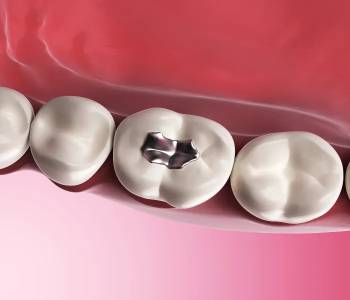
2. Amalgam (Silver) Fillings
- Material: A strong, long-lasting alloy made from mercury, silver, tin, and copper.
- Durability: Renowned for their strength and resistance to wear, especially in posterior (back) teeth where chewing forces are high.
- Cost-Effective: Generally the most economical filling option.
- History: Amalgam has been used safely and effectively in dentistry for over 150 years. Modern research consistently supports its safety and effectiveness.
- Pros:
- Exceptional durability and longevity (often lasting 10-15 years or more).
- Very strong and resistant to fracture.
- Less expensive than other options.
- Relatively quick and easy to place.
- Cons:
- Silver color is noticeable, making them unsuitable for visible teeth.
- Requires more removal of healthy tooth structure compared to composite.
- Can expand and contract with temperature changes, potentially leading to cracks in the tooth over time.
- Some patients have concerns about the mercury content, though regulatory bodies worldwide affirm its safety in dental fillings.
3. Ceramic (Porcelain) Fillings / Inlays & Onlays
- Material: Primarily made of porcelain, these are custom-made in a dental laboratory or with chairside CAD/CAM technology.
- Aesthetics: Highly natural-looking and stain-resistant, mirroring the translucent quality of natural tooth enamel.
- Strength & Durability: Exceptionally strong and durable, especially when used as inlays (fitting within the cusps) or onlays (covering one or more cusps).
- Biocompatible: Highly compatible with the body's tissues.
- Pros:
- Outstanding aesthetic appeal and stain resistance.
- Very strong and long-lasting, comparable to natural enamel.
- Custom-made for a precise fit.
- Resistant to temperature changes.
- Cons:
- Typically requires two dental visits (for laboratory-made options).
- Highest cost among filling materials.
- Can be more brittle than composite or amalgam and may chip under extreme force.
4. Gold Fillings (Cast Gold Inlays/Onlays)
- Material: An alloy of gold, copper, and other metals. Also custom-made in a dental laboratory.
- Durability: Considered one of the most durable and long-lasting filling materials, often lasting 15-20 years or more.
- Strength: Highly resistant to corrosion and fracture.
- Biocompatible: Very well tolerated by gum tissues.
- Pros:
- Exceptional longevity and strength.
- Does not corrode or tarnish.
- Highly biocompatible with surrounding tissues.
- Precise fit when custom-fabricated.
- Cons:
- High cost due to the material and fabrication process.
- Distinctive gold color, not aesthetically pleasing to everyone.
- May cause galvanic shock (a sharp pain) if placed next to an amalgam filling.
- Typically requires two dental visits.
5. Glass Ionomer Fillings
- Material: A blend of acrylic and fluoroaluminosilicate glass.
- Fluoride Release: Unique in its ability to release fluoride, which can help prevent further decay around the filling.
- Uses: Often used for fillings below the gum line, in primary (baby) teeth, or as a temporary filling.
- Pros:
- Releases fluoride, offering protection against decay.
- Chemically bonds to the tooth structure.
- Good for patients with high decay risk.
- Cons:
- Less durable and aesthetically pleasing than composite or porcelain.
- More prone to wear and fracture, especially in load-bearing areas.
- Shorter lifespan compared to other filling types.
The Dental Filling Procedure: What to Expect
The process for receiving a dental filling is generally straightforward and completed in a single visit (except for ceramic or gold inlays/onlays, which require two).
- Numbing: The area around the affected tooth will be numbed with a local anesthetic to ensure your comfort.
- Decay Removal: Your dentist will use a dental drill or laser to carefully remove the decayed or damaged tooth material.
- Preparation: The prepared cavity will be thoroughly cleaned and disinfected to remove any bacteria or debris. For composite fillings, an etching gel and bonding agent are applied.
- Filling Application: The chosen filling material is then applied to the prepared tooth.
- Composite: Applied in layers, each hardened with a special light (curing light).
- Amalgam: Packed into the cavity while it's soft, then allowed to harden.
- Shaping & Polishing: The dentist will carefully shape the filling to ensure it fits your bite and restore the tooth's natural contour. Finally, the filling is polished for a smooth finish.
Caring for Your Dental Fillings
With proper care, your dental fillings can last for many years:
- Maintain Excellent Oral Hygiene: Brush twice daily with fluoride toothpaste and floss daily to prevent new decay around the filling.
- Regular Dental Check-ups: Visit your dentist every six months for professional cleanings and examinations. Your dentist will check the integrity of your fillings and surrounding tooth structure.
- Avoid Excessive Force: Be mindful of habits like chewing on ice, hard candies, or using your teeth as tools, as these can chip or fracture fillings and natural teeth.
- Address Sensitivity: If you experience new or increased sensitivity after a filling, contact your dentist.
Ready to Restore Your Smile?
Don't let tooth decay or damage compromise your oral health and confidence. Dental fillings are a fundamental treatment to protect your teeth and maintain a healthy, functional smile.
Contact us today to schedule a consultation with our experienced dental team. We'll assess your needs, discuss the best filling options for you, and create a personalized treatment plan to restore your dental health effectively.
Important Disclaimer
The information provided in this product description is intended for general knowledge and informational purposes only, and does not constitute medical advice. It is essential to consult with a qualified dental professional for diagnosis, treatment, and personalized recommendations regarding your specific dental health needs. Individual results may vary.