Description
Here's a detailed product description for Root Canal Treatment, formatted in Markdown:
Root Canal Treatment: Restore Your Oral Health & Preserve Your Natural Tooth
🦷 Say Goodbye to Tooth Pain & Save Your Smile!
Are you experiencing severe tooth pain, sensitivity, or gum swelling? Don't let a damaged or infected tooth compromise your oral health or lead to extraction. Our advanced root canal treatment (also known as endodontic therapy) is a highly effective and comfortable procedure designed to relieve your pain, eliminate infection, and preserve your natural tooth.
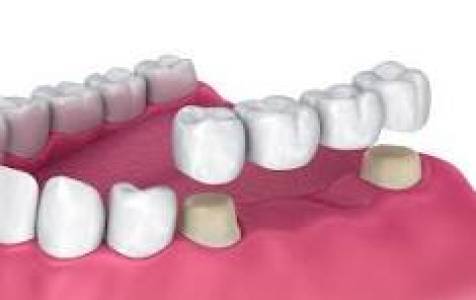
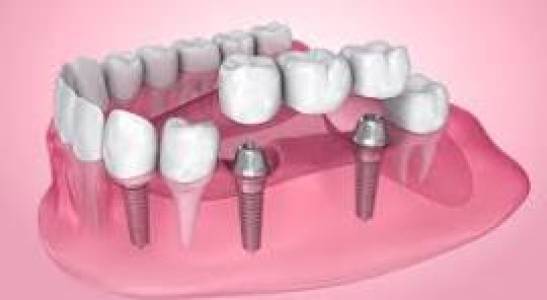
Often misunderstood, a root canal is a transformative treatment that allows you to keep your natural tooth, avoiding the need for bridges, implants, or dentures. Our dedicated team is committed to providing a gentle, efficient, and stress-free experience, helping you regain comfort and confidence in your smile.
✨ Key Benefits of Choosing Root Canal Treatment:
- Immediate Pain Relief: Eliminates the excruciating pain caused by infection or inflammation within the tooth's pulp.
- Tooth Preservation: Saves your natural tooth from extraction, maintaining your natural bite and alignment.
- Stops Infection Spread: Clears bacteria from the pulp chamber and root canals, preventing the infection from spreading to other teeth or your jawbone.
- Restores Oral Function: Allows you to chew and speak comfortably, without pain or sensitivity.
- Long-Term Solution: With proper care and a final restoration (like a crown), a treated tooth can last a lifetime.
- Prevents Future Problems: Avoiding extraction means you won't face the complications and costs associated with tooth loss (e.g., bone loss, shifting teeth, implant surgery).
- Aesthetically Pleasing: Once restored, your tooth will look and function just like your other natural teeth.
❓ When is a Root Canal Needed? (Indications)
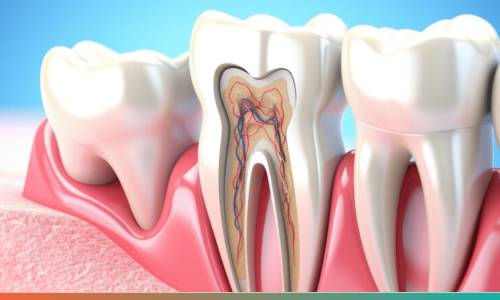
Root canal treatment becomes necessary when the pulp inside your tooth (containing nerves, blood vessels, and connective tissue) becomes inflamed or infected. This can be caused by:
- Deep Decay: Untreated cavities that penetrate deep into the tooth.
- Trauma/Injury: A crack, chip, or severe blow to the tooth.
- Repeated Dental Procedures: Extensive dental work on the same tooth.
- Cracked or Fractured Tooth: Allowing bacteria to enter the pulp.
- Gum Disease: In advanced stages, infection can reach the tooth's root.
Common Symptoms that may indicate the need for a root canal include:
- Severe toothache pain when chewing or applying pressure.
- Prolonged sensitivity to hot or cold temperatures (even after the source is removed).
- Discoloration or darkening of the tooth.
- Swelling and tenderness in the surrounding gums.
- A persistent pimple-like bump on the gums (a "fistula").
🛠️ The Root Canal Procedure: What to Expect
Our compassionate team utilizes advanced techniques and equipment to ensure your comfort throughout the procedure, which typically involves 1-2 appointments.
- Anesthesia: We begin by administering a local anesthetic to numb the affected tooth and surrounding area, ensuring a pain-free experience.
- Access Opening: A small opening is made in the crown of the tooth to access the pulp chamber and root canals.
- Cleaning & Shaping: The infected or inflamed pulp is carefully removed using specialized instruments. The root canals are then cleaned, disinfected, and shaped to prepare them for filling.
- Disinfection: An antimicrobial solution is used to thoroughly disinfect the interior of the tooth, eliminating any remaining bacteria.
- Filling & Sealing: The cleaned and shaped canals are filled with a biocompatible material, typically gutta-percha, and sealed with an adhesive cement to prevent re-infection.
- Temporary Filling: A temporary filling is placed in the access opening to protect the tooth until your next appointment.
- Permanent Restoration: In most cases, a dental crown or permanent filling will be recommended after the root canal to restore the tooth's strength, function, and aesthetics. This is a crucial step for the long-term success of the treatment.
🌱 Post-Treatment Care & Recovery
After your root canal treatment, it's normal to experience some mild sensitivity or soreness for a few days, especially when chewing. This can typically be managed with over-the-counter pain relievers.
- Avoid Chewing: Try to avoid chewing on the treated tooth until your permanent restoration is in place.
- Oral Hygiene: Continue your regular brushing and flossing routine.
- Follow-Up: It's essential to return for your permanent restoration (crown or filling) as recommended by your dentist. Delaying this step can compromise the success of your root canal.
- Regular Check-ups: Maintain routine dental check-ups and cleanings to ensure the long-term health of your treated tooth and overall oral health.
⭐ Why Choose Our Practice for Your Root Canal?
- Experienced Professionals: Our highly skilled dentists are experienced in performing root canal treatments with precision and care.
- Advanced Technology: We utilize state-of-the-art diagnostic tools and techniques, including digital X-rays and rotary endodontics, for efficient and effective treatment.
- Patient Comfort is Our Priority: We offer various comfort amenities and sedation options to ensure a relaxed and anxiety-free experience.
- Personalized Care: We take the time to explain every step, answer your questions, and tailor treatment plans to your unique needs.
- Comprehensive Follow-Up: We guide you through post-treatment care and ensure proper restoration for lasting results.
📞 Don't Suffer in Silence!
If you're experiencing tooth pain or suspect you might need a root canal, early diagnosis and treatment are crucial. Contact us today to schedule a consultation and let us help you regain a healthy, pain-free smile.
[Your Practice Name/Logo Here] [Your Address] [Your Phone Number] [Your Website] [Your Email Address]