Description
This detailed product description for Root Canal Treatment (RCT) is designed to inform and reassure potential patients, highlighting the benefits and demystifying the process.
🦷 Root Canal Treatment (RCT): Save Your Natural Tooth & Relieve Pain
Product Overview:
Root Canal Treatment (RCT), also known as Endodontic Treatment, is a highly effective dental procedure designed to save a tooth that has become severely infected, inflamed, or damaged. Instead of extracting a compromised tooth, RCT allows us to remove the infected pulp (the soft tissue inside the tooth containing nerves and blood vessels), clean and disinfect the internal chambers, and then seal them to prevent future infection. This preserves your natural tooth, maintains your oral health, and eliminates the often excruciating pain associated with deep tooth decay or injury.
Why Choose RCT?
Often misunderstood and feared, modern root canal treatment is a comfortable and highly successful procedure performed with advanced techniques and anesthesia, offering a superior alternative to tooth extraction.
Key Benefits:
- ⚡️ Pain Relief: Eliminates the intense pain and discomfort caused by an infected or inflamed pulp.
- 🦷 Preserve Natural Tooth: Prevents the need for tooth extraction, maintaining your natural smile, bite, and jaw alignment.
- 🚫 Prevent Infection Spread: Stops the spread of infection to adjacent teeth, gums, and other parts of the body.
- 🗣️ Maintain Normal Function: Allows you to continue eating, speaking, and chewing effectively without discomfort.
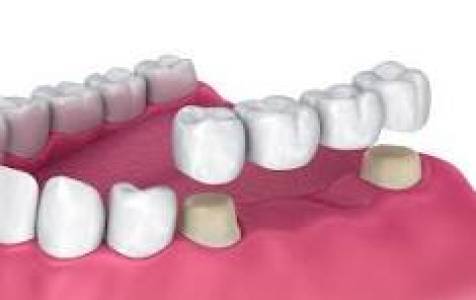
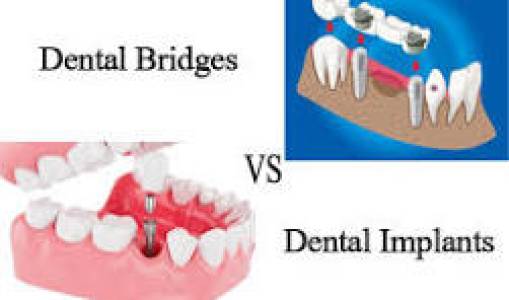
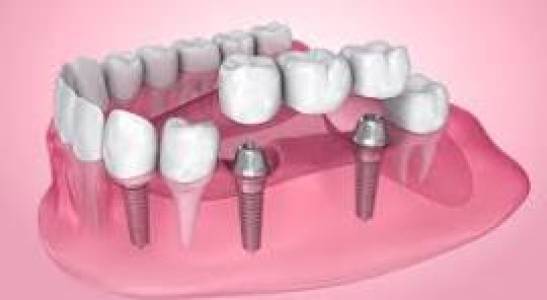
- ✨ Aesthetic Preservation: Keeps your natural tooth in place, avoiding gaps or the need for more extensive restorations like bridges or implants immediately.
- ⏱️ Long-Term Solution: With proper care and a final restoration (like a crown), a treated tooth can last a lifetime.
Indications: When Might You Need a Root Canal?
You may require root canal treatment if you experience any of the following symptoms:
- Persistent & Severe Toothache: Especially throbbing pain that doesn't go away, or pain that wakes you up at night.
- Prolonged Sensitivity: Lingering sensitivity to hot or cold temperatures, even after the stimulus is removed.
- Gum Swelling & Tenderness: Swollen, tender gums around the affected tooth.
- Pimple-like Bump (Abscess): A small bump on the gums near the painful tooth, which may intermittently release pus.
- Tooth Discoloration: Darkening or grayish discoloration of the tooth.
- Pain on Chewing or Pressure: Discomfort when biting down or applying pressure to the tooth.
- Deep Decay or Injury: A cavity that has reached the pulp, or a crack/chip in the tooth that exposes the pulp.
The Root Canal Treatment Process:
The procedure is typically completed in one or two appointments, depending on the complexity of the case and the extent of infection.
- 🔍 Diagnosis & X-rays: A thorough examination, including digital X-rays, to confirm the diagnosis and assess the extent of the infection and root anatomy.
- 💉 Anesthesia: The area around the affected tooth is completely numbed using local anesthetic, ensuring a pain-free experience.
- 🛡️ Isolation: A small rubber dam is placed around the tooth to keep it dry and free from saliva, isolating it from bacteria during the procedure.
- 🦷 Access Opening: A small opening is created through the crown of the tooth to access the pulp chamber and root canals.
- 🧼 Pulp Removal & Cleaning: The infected or inflamed pulp tissue is carefully removed using specialized instruments (endodontic files). The root canals are then thoroughly cleaned, shaped, and disinfected with irrigating solutions.
- 🔬 Filling (Obturation): Once the canals are clean and dry, they are filled with a biocompatible material, typically gutta-percha, and sealed with an adhesive cement to prevent re-infection.
- 🩹 Temporary Restoration: A temporary filling is placed in the access opening to protect the tooth until the final restoration.
- 👑 Final Restoration: In most cases, a dental crown is recommended after root canal treatment. This strengthens the treated tooth, protects it from fracture, and restores its full function and appearance.
Post-Treatment Care & Expectations:
- Mild Sensitivity: It's normal to experience some mild sensitivity or discomfort for a few days after the procedure, especially when chewing. Over-the-counter pain relievers can help manage this.
- Avoid Chewing: Avoid chewing on the treated tooth until the final restoration (crown) is placed to prevent fracturing the weakened tooth.
- Oral Hygiene: Continue your regular excellent oral hygiene routine, including brushing and flossing.
- Follow-Up: Attend your follow-up appointments, especially for the placement of your permanent crown or filling.
- Long-Term Success: With proper oral hygiene and regular dental check-ups, your root canal treated tooth can last a lifetime.
Why Choose Our Clinic for Your RCT?
- Experienced Endodontists/Dentists: Our team comprises highly skilled professionals with extensive experience in performing complex root canal treatments.
- Advanced Technology: We utilize state-of-the-art equipment, including digital X-rays, rotary endodontic instruments, and sometimes surgical microscopes, for precise and efficient treatment.
- Patient Comfort: We prioritize your comfort with effective anesthesia, sedation options, and a caring, supportive environment.
- Sterilization Excellence: Adherence to the highest standards of sterilization and infection control.
- Comprehensive Care: From diagnosis to final restoration, we provide a seamless and integrated treatment plan.
📞 Don't Live with Tooth Pain!
If you are experiencing persistent tooth pain or any of the symptoms listed above, don't delay. Early diagnosis and treatment can save your tooth and prevent further complications.
Contact us today to schedule a consultation and see if Root Canal Treatment is the right solution for you!
Disclaimer: This product description provides general information about Root Canal Treatment. Individual treatment plans and outcomes may vary. A comprehensive dental examination and consultation with a qualified dentist or endodontist are necessary to determine the most appropriate course of action for your specific dental needs.