Description
Here's a detailed product description for Root Canal Treatment, formatted in Markdown:
Root Canal Treatment: Save Your Tooth, Relieve Your Pain
Experiencing persistent tooth pain, prolonged sensitivity to hot or cold, or swelling around a tooth? Don't let a compromised tooth dictate your comfort and health. Our Root Canal Treatment (also known as Endodontic Therapy) is a highly effective and often painless procedure designed to save your natural tooth, eliminate infection, and restore your oral health and well-being.
What is Root Canal Treatment?
Root Canal Treatment is a dental procedure that addresses infection or inflammation within the tooth's innermost layer, known as the pulp. The pulp contains nerves, blood vessels, and connective tissue, and when it becomes infected or damaged (often due to deep decay, repeated dental procedures, or a crack/chip in the tooth), it can cause severe pain and lead to an abscess.
During a root canal, the infected or inflamed pulp is carefully removed from the tooth's pulp chamber and root canal system. The inside of the tooth is then thoroughly cleaned, disinfected, shaped, and filled with a biocompatible material to seal the canals and prevent future infection. Finally, the tooth is typically sealed with a filling or a crown to protect it and restore its full function and appearance.
Why Might You Need a Root Canal?
You might require root canal therapy if you experience:
- Persistent Tooth Pain: Ranging from mild sensitivity to severe, throbbing pain, especially when chewing or applying pressure.
- Prolonged Sensitivity: To hot or cold temperatures, even after the source is removed.
- Swelling: Of the gums around the affected tooth, or a pimple-like bump on the gums (dental abscess).
- Tooth Discoloration: Darkening of the tooth.
- Tenderness: In the gums or adjacent teeth.
- A Chipped or Cracked Tooth: Exposing the pulp to bacteria.
- Deep Decay: That has reached the pulp chamber and caused infection.
- Trauma: An injury to the tooth that has damaged the pulp.
Key Benefits of Choosing Root Canal Treatment:
- Pain Relief: Effectively eliminates the source of your severe toothache and discomfort.
- Saves Your Natural Tooth: Prevents the need for extraction and preserves your natural bite and alignment.
- Prevents Infection Spread: Stops bacteria from spreading to other teeth, your jawbone, or other parts of your body.
- Restores Chewing Function: Allows you to eat comfortably and confidently, enjoying your favorite foods without pain.
- Maintains Oral Aesthetics: Your natural tooth remains, often protected by a restoration (like a crown) that blends seamlessly with your other teeth.
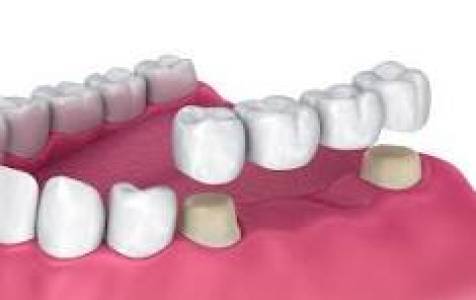
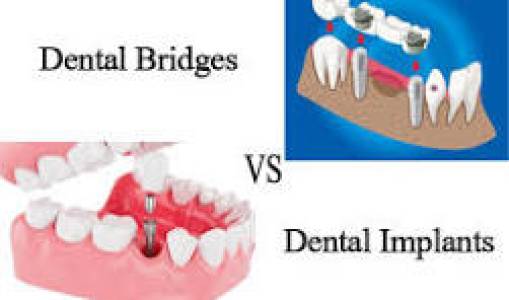
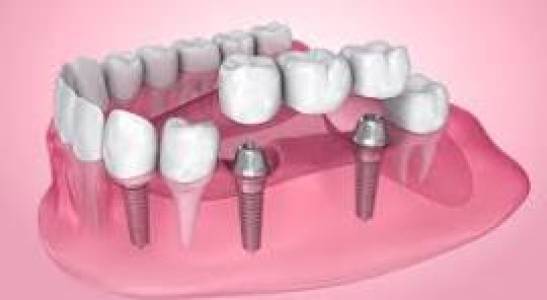
- Cost-Effective Long Term: Often less expensive than tooth extraction followed by a bridge or implant to replace the missing tooth.
- Preserves Bone Structure: By saving the natural tooth root, it helps maintain the surrounding jawbone and facial structure.
Our Advanced Approach to Your Comfort:
At [Your Clinic Name], we understand that the thought of a root canal can cause anxiety. Our priority is your comfort and a successful, stress-free experience. We utilize:
- Advanced Diagnostic Tools: Including digital X-rays and 3D imaging for precise diagnosis and treatment planning.
- State-of-the-Art Endodontic Equipment: Such as rotary instruments for efficient and thorough cleaning and shaping of the root canals.
- Dental Operating Microscopes: For enhanced visibility and precision during the entire procedure, ensuring no infection is left behind.
- Gentle Anesthesia Techniques: Ensuring a completely pain-free experience during the treatment itself.
- Sedation Options: Available for anxious patients (e.g., nitrous oxide, oral conscious sedation) to help you relax throughout your visit.
- Experienced and Compassionate Team: Our highly skilled endodontists/dentists have extensive training in advanced root canal techniques, dedicated to providing gentle and effective care.
The Root Canal Treatment Process (Generally):
- Diagnosis: We'll conduct a thorough examination, including X-rays, to accurately diagnose the problem and confirm the need for a root canal.
- Anesthesia: The area around the affected tooth is completely numbed with local anesthetic to ensure a pain-free procedure.
- Isolation: A small protective sheet called a rubber dam is placed around the tooth to keep it clean, dry, and free from saliva during treatment.
- Access Opening: A small opening is made in the crown of the tooth to access the pulp chamber and root canals.
- Pulp Removal & Cleaning: The infected or damaged pulp is carefully removed using specialized instruments. The root canals are then thoroughly cleaned, disinfected, and shaped.
- Filling (Obturation): Once clean, the root canals are filled with a biocompatible, rubber-like material called gutta-percha and sealed to prevent re-infection.
- Temporary/Permanent Restoration: A temporary filling is placed to seal the access opening. In most cases, a permanent crown will be recommended and placed during a subsequent visit to protect the treated tooth from fracture and restore its full strength and function.
After Your Root Canal Treatment:
- Minor Sensitivity: It's normal to experience some mild sensitivity or tenderness for a few days after the procedure, which can typically be managed with over-the-counter pain relievers.
- Permanent Restoration: We will discuss the best restorative option for your treated tooth, usually a dental crown, to ensure its long-term success and protection.
- Follow-Up: Regular dental check-ups and good oral hygiene are essential to ensure the long-term health and success of your treated tooth.
Addressing Common Concerns & Myths:
- Myth: Root canals are extremely painful. Reality: Thanks to modern anesthetics and advanced techniques, root canal treatment is often no more uncomfortable than getting a routine filling. In fact, the procedure itself relieves the severe pain caused by the underlying infection.
- Myth: It's better to just extract the tooth. Reality: Saving your natural tooth is almost always the best option. An extraction can lead to shifting adjacent teeth, difficulty chewing, bone loss, and the need for more complex and expensive procedures like implants or bridges later on. A successfully treated tooth can last a lifetime.
Don't Delay Relief – Schedule Your Consultation Today!
If you're experiencing symptoms that suggest the need for a root canal, don't wait. Early intervention can prevent further complications, preserve your natural tooth, and bring you lasting relief.
Contact [Your Clinic Name] at [Phone Number] or email us at [Email Address] to schedule an immediate consultation. Let us help you achieve lasting comfort and preserve your beautiful, healthy smile.
[Your Website URL] [Your Clinic Address] [Your Clinic Hours]