Description
Transform Your Smile with Dental Bonding: Quick, Affordable, Beautiful
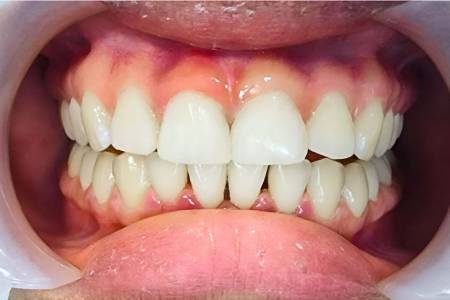
Are you hiding your smile due to minor imperfections? Dental Bonding offers a remarkable, non-invasive, and cost-effective way to enhance your natural beauty and restore your confidence. At [Your Clinic Name], we specialize in crafting seamless, natural-looking results that will have you smiling brightly again.
What is Dental Bonding?
Dental bonding is a cosmetic dental procedure that involves applying a tooth-colored composite resin directly to your teeth. This durable, plastic-like material is meticulously sculpted by our skilled dentists to correct various aesthetic concerns, then hardened with a special light, creating a strong, durable bond with your natural tooth structure. The result is a beautifully enhanced smile that seamlessly blends with your existing teeth.
Key Benefits of Dental Bonding
- Cosmetic Correction: Effectively repairs chips, cracks, minor gaps, discoloration, and misshapen teeth.
- Natural Aesthetics: The composite resin is carefully matched to the shade of your natural teeth, ensuring an undetectable and harmonious result.
- Minimally Invasive: Unlike veneers or crowns, bonding typically requires very little (if any) removal of your natural tooth enamel. In most cases, anesthesia isn't even necessary.
- Rapid Transformation: Often completed in a single dental visit, allowing you to walk out with an improved smile the same day.
- Cost-Effective: Generally more affordable than alternative cosmetic procedures like porcelain veneers or crowns.
- Durable & Long-Lasting: With proper care and good oral hygiene, bonded teeth can maintain their beauty and strength for many years.
Is Dental Bonding Right for You? (Ideal Candidates)
Dental bonding is an excellent solution for individuals looking to address:
- Chipped or cracked teeth (non-severe).
- Small gaps or spaces between teeth.
- Discolored teeth that are resistant to whitening treatments.
- Misshapen or undersized teeth.
- Exposed tooth roots due to gum recession (to protect the root surface).
- Cavities (as a tooth-colored filling alternative to amalgam).
- Those seeking a quick, conservative, and affordable cosmetic enhancement.
The Dental Bonding Procedure: What to Expect
The bonding process is straightforward and typically completed in a single appointment, lasting 30-60 minutes per tooth.
- Consultation & Shade Matching: Our dentist will discuss your aesthetic goals, examine your teeth, and determine if bonding is the best option for you. We'll then use a shade guide to select a composite resin color that perfectly matches your natural teeth.
- Tooth Preparation: The surface of your tooth will be lightly etched, and a conditioning liquid applied. This helps the bonding material adhere securely to the tooth.
- Resin Application & Sculpting: The tooth-colored resin is applied to the tooth and meticulously molded and shaped by our dentist to achieve the desired aesthetic outcome.
- Curing: A specialized curing light is used to harden the resin in seconds, bonding it firmly to your tooth.
- Finishing & Polishing: Once hardened, the bonding material is further trimmed, shaped, and polished to a smooth, natural-looking finish that blends seamlessly with your surrounding teeth.
Care & Maintenance for Your Bonded Teeth
To ensure the longevity and beauty of your dental bonding, follow these simple guidelines:
- Maintain Excellent Oral Hygiene: Brush twice daily and floss once a day, just like your natural teeth.
- Avoid Staining: Limit consumption of heavily staining foods and drinks, especially in the first 48 hours after the procedure (e.g., coffee, tea, red wine, berries).
- Protect Your Teeth: Avoid biting on hard objects (ice, hard candy, pens) or using your teeth as tools, as this can chip the bonding material.
- Regular Dental Check-ups: Schedule routine dental exams and cleanings at [Your Clinic Name] to monitor your bonding and overall oral health.
- Consider a Mouthguard: If you grind your teeth (bruxism) or play contact sports, a custom nightguard or sports guard can protect your bonded teeth.
Why Choose [Your Clinic Name] for Dental Bonding?
At [Your Clinic Name], we combine artistic skill with advanced dental technology to deliver exceptional results.
- Experienced & Artistic Dentists: Our team has a keen eye for detail and extensive experience in cosmetic dentistry.
- Patient-Centered Approach: We prioritize your comfort and ensure you're fully informed and confident every step of the way.
- High-Quality Materials: We use only the finest, most durable, and natural-looking composite resins available.
- Personalized Treatment Plans: Your smile is unique, and so is our approach to perfecting it.
Ready to Reveal Your Best Smile?
Don't let minor dental flaws hold you back. Dental Bonding is a simple yet powerful way to enhance your smile's aesthetics and boost your self-confidence.
Contact [Your Clinic Name] today at [Your Phone Number] or [Your Website] to schedule your personal consultation and discover if dental bonding is the perfect solution for you!
Frequently Asked Questions (FAQs)
Q: Is dental bonding painful? A: Dental bonding is generally not painful. Because very little to no enamel is removed, most patients do not require anesthesia.
Q: How long does dental bonding last? A: With proper care and oral hygiene, dental bonding can last between 5 to 10 years, though results can vary. Regular dental check-ups help monitor its condition.
Q: Can bonded teeth stain? A: Yes, bonded teeth can stain over time, much like your natural teeth, especially with exposure to coffee, tea, red wine, and tobacco. Avoiding these or consuming them in moderation can help maintain the brightness of your bonded teeth.
Q: What is the difference between bonding and veneers? A: Both are cosmetic solutions. Bonding uses a direct composite resin applied and sculpted by hand in one visit, is less invasive, and generally more affordable. Veneers are custom-made, thin porcelain shells fabricated in a lab and then bonded to the tooth, often requiring more tooth reduction, are more durable, and typically more expensive. Your dentist can help you determine which is best for your specific needs.