Description
Here's a detailed product description for Dental Braces, formatted in Markdown:
Transform Your Smile: Comprehensive Dental Braces Solutions
Are you dreaming of a perfectly aligned smile that radiates confidence? Our state-of-the-art dental braces offer a proven and effective path to achieving beautiful, healthy teeth and a confident new you. More than just an aesthetic enhancement, braces correct various malocclusions, improving oral health, speech, and chewing function.
What Are Dental Braces?
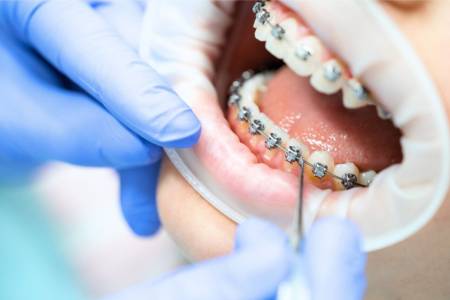
Dental braces are orthodontic devices used to correct misaligned teeth and jaws. They work by applying continuous, gentle pressure over a period of time to slowly move teeth into their proper positions. This precise movement helps to improve both the aesthetic appearance of your smile and the overall function of your bite.
Key Benefits of Choosing Our Dental Braces:
- Aesthetics: Achieve a beautiful, straight smile that boosts your self-esteem and makes a lasting impression.
- Improved Oral Health: Properly aligned teeth are easier to clean, significantly reducing the risk of cavities, gum disease (periodontitis), and other oral health issues.
- Enhanced Function: Correct bite issues to improve chewing efficiency, reduce strain on jaw muscles, and alleviate problems like temporomandibular joint (TMJ) disorders.
- Better Speech: Misaligned teeth can sometimes affect speech patterns. Braces can help correct these issues, leading to clearer articulation.
- Long-Term Solution: A well-planned orthodontic treatment provides lasting results for a lifetime of healthy, stable smiles.
- Preventative Care: By correcting alignment issues, braces can help prevent future dental problems such as abnormal wear of tooth surfaces.
Our Diverse Range of Braces Options:
We understand that every patient's needs, lifestyle, and aesthetic preferences are unique. We offer a variety of modern braces options to ensure a comfortable, effective, and personalized treatment journey:
- Traditional Metal Braces:
- Description: The most common and highly effective option, made from high-grade stainless steel. Modern metal braces are significantly smaller, more comfortable, and incredibly efficient at correcting even complex orthodontic issues. They use archwires and elastic ties (ligatures) to move teeth.
- Benefits: Extremely durable, cost-effective, proven track record for reliability and effectiveness across a wide range of cases.
- Ideal For: Patients of all ages, especially teenagers, and those with significant alignment challenges.
- Ceramic Braces:
- Description: For those seeking a more discreet option, ceramic braces feature clear or tooth-colored brackets that blend seamlessly with your natural teeth. They function similarly to metal braces, using archwires, but offer a much less noticeable appearance.
- Benefits: Highly aesthetic, effective for most orthodontic cases, a popular choice for adults and older teens concerned about appearance.
- Ideal For: Individuals who desire a less visible treatment option without sacrificing effectiveness.
- Self-Ligating Braces (Metal or Ceramic):
- Description: These innovative braces utilize a specialized, built-in clip or door mechanism to hold the archwire, eliminating the need for elastic ties. This design can reduce friction and pressure on teeth.
- Benefits: Potentially fewer and quicker adjustment appointments, may offer a more comfortable experience, improved hygiene as there are no elastic ties to accumulate plaque. Available in both metal and ceramic versions.
- Ideal For: Patients looking for potentially faster treatment times and enhanced comfort, with options for both traditional and aesthetic appearances.
- Lingual Braces (By Consultation):
- Description: A truly invisible orthodontic solution, lingual braces are custom-made braces that are bonded to the inside (lingual) surface of your teeth. This makes them completely hidden from view when you smile or speak.
- Benefits: Unmatched discretion, highly effective for various complex cases.
- Ideal For: Adults and professionals who require absolute invisibility for their orthodontic treatment and are comfortable with a premium solution. (May require a longer adaptation period for speech and comfort initially).
The Journey to Your New Smile: What to Expect:
- Initial Consultation: A thorough examination by our orthodontist, including digital X-rays, 3D intraoral scans, and photographs, to accurately assess your orthodontic needs and discuss your treatment goals.
- Custom Treatment Plan: We'll develop a personalized plan, detailing the recommended type of braces, expected treatment duration, and anticipated results. We'll answer all your questions and ensure you're fully informed.
- Braces Placement: Your chosen braces will be expertly and comfortably bonded to your teeth during a dedicated appointment.
- Regular Adjustments: Periodic appointments (typically every 4-8 weeks, depending on your treatment plan) to adjust your braces and guide your teeth into their correct positions.
- Braces Removal: Once your treatment is complete, your braces will be carefully removed, revealing your beautifully straight smile.
- Retention Phase: To ensure the longevity and stability of your results, custom retainers (removable or fixed) will be provided, and instructions for wear will be given. This phase is crucial for maintaining your new smile.
Are Dental Braces Right For You or Your Child?
Dental braces are suitable for a wide range of orthodontic issues affecting children, teenagers, and adults. Common conditions treated with braces include:
- Crowded Teeth: When teeth overlap or don't have enough space to erupt properly.
- Gaps (Diastema): Spaces between teeth that can impact aesthetics and lead to food impaction.
- Overbite: When the upper front teeth significantly overlap the lower front teeth.
- Underbite: When the lower jaw protrudes, causing the lower front teeth to sit in front of the upper front teeth.
- Crossbite: When some upper teeth sit inside the lower teeth, either at the front or sides of the mouth.
- Open Bite: When the front teeth do not meet when the mouth is closed, creating an opening.
- Protruding Teeth: Front teeth that stick out, making them vulnerable to injury.
- Displaced Midline: When the center of your upper front teeth does not align with the center of your lower front teeth.
Why Choose Our Orthodontic Practice?
- Experienced Orthodontists: Our board-certified orthodontists possess extensive experience and are dedicated to providing the highest standard of care.
- Cutting-Edge Technology: We utilize the latest diagnostic tools (digital X-rays, 3D scanners) and treatment techniques for precise, efficient, and comfortable care.
- Personalized Care: Every treatment plan is meticulously tailored to the individual, ensuring the best possible outcome and addressing your unique concerns.
- Comfort-Focused Environment: We strive to make your orthodontic journey as comfortable and positive as possible, with a friendly and supportive team.
- Flexible Financing: We offer various payment options and work with most insurance providers to make orthodontic treatment accessible and affordable.
- Commitment to Results: Our ultimate goal is to help you achieve a healthy, functional, and aesthetically pleasing smile that you'll cherish for a lifetime.
Ready to embark on your journey to a spectacular smile?
Contact us today to schedule your initial consultation and discover which dental braces solution is perfect for you or your loved one!
[Your Clinic Name] [Your Clinic Address] Phone: [Your Phone Number] Email: [Your Email Address] Website: [Your Website Link]
Disclaimer: Individual results may vary. Orthodontic treatment requires proper oral hygiene, regular attendance at adjustment appointments, and adherence to professional guidance from your orthodontist. Consult with a qualified orthodontist to determine the best treatment option for your specific needs and to discuss all potential risks and benefits.