Description
Root Canal Therapy: Restore Your Health, Preserve Your Smile
Root canal therapy, also known as endodontic treatment, is a highly effective procedure designed to save a tooth that has become infected or severely damaged. Far from the painful reputation it once held, modern root canal treatment is a sophisticated, comfortable procedure that can relieve your discomfort, eliminate infection, and prevent tooth extraction, ultimately preserving your natural smile and oral health.
Why Choose Root Canal Therapy?
When the soft tissue (pulp) inside your tooth becomes infected or inflamed due to deep decay, repeated dental procedures, a crack, or trauma, it can cause significant pain and lead to serious health complications if left untreated. Root canal therapy offers numerous advantages:
- Eliminate Pain & Discomfort: Addresses the root cause of your severe toothache, providing lasting relief.
- Save Your Natural Tooth: Avoids the need for extraction, maintaining your natural bite and smile integrity.
- Prevent Infection Spread: Stops bacteria from migrating to other teeth, gums, or even into your jawbone and bloodstream.
- Restore Chewing Function: Allows you to eat comfortably and naturally again without pain.
- Maintain Oral Health & Aesthetics: Keeps your natural tooth alignment, prevents surrounding teeth from shifting, and preserves your facial structure.
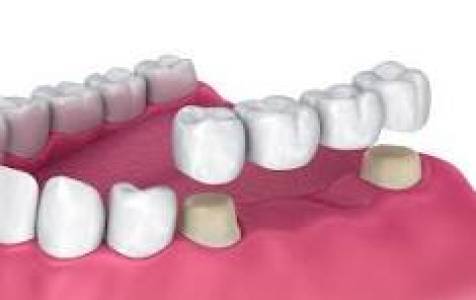
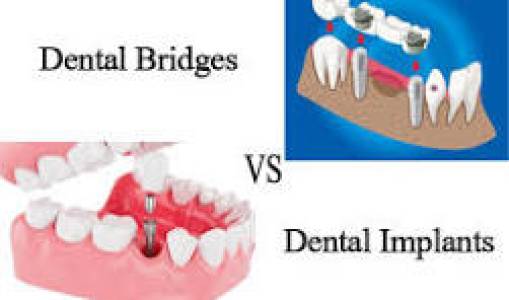
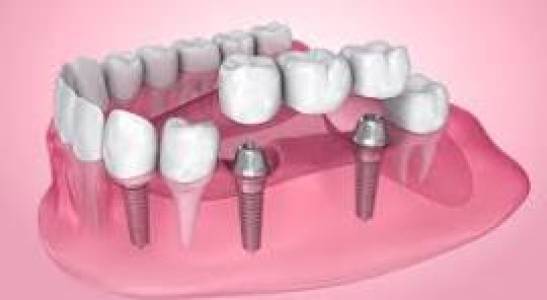
- Cost-Effective Solution: Often more affordable in the long run than tooth extraction and subsequent replacement options like dental implants or bridges.
Is Root Canal Therapy Right for You?
You might be a candidate for root canal therapy if you're experiencing any of the following symptoms, which indicate potential pulp infection or damage:
- Persistent, severe toothache that may radiate to your jaw, ear, or head.
- Prolonged sensitivity to hot or cold temperatures, even after the stimulus is removed.
- Swelling and tenderness in the surrounding gums or jaw.
- A "pimple" or lesion on the gums near the affected tooth, indicating an abscess.
- Discoloration (darkening) of the affected tooth.
- Pain when chewing or applying pressure.
- A deep cavity or a crack/chip in the tooth that has exposed the pulp.
Only a thorough dental examination and X-rays can confirm the need for root canal therapy.
The Root Canal Process: What to Expect
Our priority is your comfort and understanding throughout the procedure. Here's a general overview of the steps involved in modern root canal therapy:
- Diagnosis & Anesthesia: We'll confirm the need for treatment with diagnostic tests and X-rays. Local anesthesia will be administered to numb the tooth and surrounding area, ensuring you feel no pain during the procedure.
- Isolation: A dental dam (a small sheet of latex or non-latex material) is placed around the tooth to keep it dry and free from saliva and bacteria, ensuring a sterile environment.
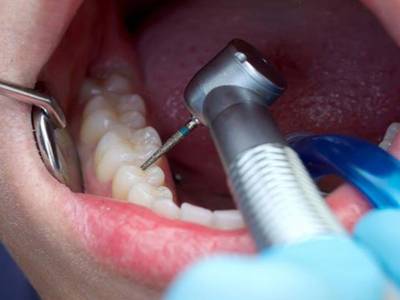
- Access Opening: A small opening is made in the crown of the tooth to access the pulp chamber and root canals.
- Cleaning & Shaping: Tiny, specialized instruments are used to carefully remove the infected or damaged pulp tissue, bacteria, and debris from the root canals. The canals are then thoroughly cleaned, disinfected, and shaped to prepare them for filling.
- Filling: Once the canals are meticulously cleaned and dried, they are filled with a biocompatible, rubber-like material, typically gutta-percha, to seal them and prevent future infection.
- Temporary Restoration: A temporary filling is placed to seal the opening in the tooth until your permanent restoration (usually a crown) can be placed.
- Permanent Restoration (Crown): In most cases, a dental crown is recommended after root canal therapy to protect the treated tooth from future fracture and restore its full function and appearance. This is typically done in a separate appointment after the tooth has settled.
After Your Root Canal Treatment
- Initial Recovery: It's normal to experience some mild tenderness or sensitivity for a few days after the procedure, especially when chewing. This can typically be managed with over-the-counter pain relievers.
- Oral Hygiene: Continue your regular brushing and flossing routines, taking care around the treated tooth.
- Avoid Chewing: Try to avoid chewing on the treated tooth until your permanent crown or restoration is placed to prevent fracture.
- Follow-up: We'll schedule a follow-up appointment to ensure proper healing and to discuss the placement of your permanent crown.
Frequently Asked Questions (FAQs)
- Is root canal therapy painful? No, with modern anesthetics and advanced techniques, the procedure itself is often no more uncomfortable than getting a routine filling. The goal is to relieve your pain, not cause it.
- How many appointments does it take? Most root canal treatments can be completed in one or two appointments, depending on the complexity of the case.
- How successful is root canal therapy? Root canal therapy boasts a very high success rate, often exceeding 95% when performed correctly and followed by an appropriate restoration like a crown.
- What happens if I don't get a root canal? Untreated infection can lead to severe pain, abscess formation, bone loss in the jaw, and ultimately, the loss of the tooth. The infection can also spread to other parts of your body.
- Will I need a crown afterward? In most cases, yes. A dental crown is highly recommended to protect the treated tooth, which can become more brittle after root canal therapy, from future fractures and to restore its strength and aesthetics.
Don't Let Tooth Pain Control Your Life
If you're experiencing symptoms of a compromised tooth, don't delay. Early intervention can save your tooth and prevent more complex issues.
Contact us today to schedule a consultation and find out if root canal therapy is the right solution for you. Our compassionate team is here to help you regain your oral health and comfort.
Disclaimer: The information provided here is for general educational purposes only and does not constitute medical advice. Please consult with a qualified dental professional to discuss your specific condition and treatment options.