Description
Professional Tooth Extractions: Gentle Care for Your Oral Health
Overview
At [Your Dental Practice Name], we understand that the prospect of a tooth extraction can be daunting. Our commitment is to provide compassionate, efficient, and pain-free care, ensuring your comfort and prioritizing your overall oral health. While we always strive to preserve natural teeth, there are circumstances where an extraction is the best course of action to alleviate pain, prevent further complications, and restore your oral well-being.
What is a Tooth Extraction?
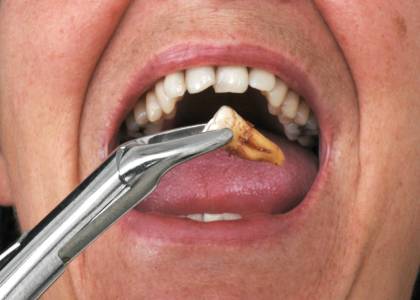
A tooth extraction is the removal of a tooth from its socket in the bone. This common dental procedure is performed when a tooth is beyond repair, causing significant problems, or creating issues for the rest of your mouth. Our skilled dental team utilizes advanced techniques and equipment to make the process as smooth and comfortable as possible.
When is a Tooth Extraction Necessary?
Tooth extractions are considered when a tooth poses a threat to your oral health or overall well-being. Common reasons include:
- Severe Decay: When a tooth is extensively damaged by decay and cannot be saved with fillings, crowns, or root canal therapy.
- Advanced Periodontal Disease: Gum disease can loosen teeth by destroying the bone and supporting tissues, making extraction the only viable option.
- Impacted Wisdom Teeth: Wisdom teeth (third molars) often fail to erupt properly, becoming "impacted." This can lead to pain, infection, crowding, or damage to adjacent teeth.
- Crowding (Orthodontic Reasons): To create space in the mouth for orthodontic treatment (braces) and allow other teeth to align correctly.
- Infection: If a severe infection (abscess) at the root of a tooth cannot be resolved with root canal treatment or antibiotics.
- Trauma or Fracture: Teeth that are severely fractured or broken below the gum line due to injury.
- Primary (Baby) Teeth: If a baby tooth doesn't fall out naturally, preventing the permanent tooth from erupting correctly.
The Extraction Process: What to Expect
Your comfort and understanding are paramount throughout the extraction process. Here's a general outline of what you can expect:
Comprehensive Consultation & Diagnosis
- Examination: A thorough examination of your tooth and surrounding tissues.
- X-rays: Detailed digital X-rays will be taken to assess the tooth's position, root structure, and proximity to nerves or sinuses.
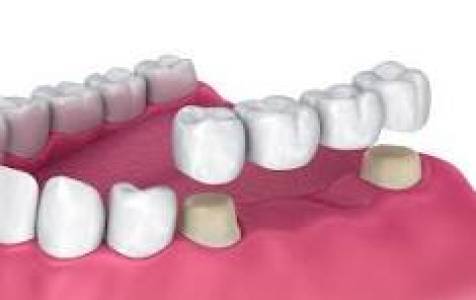
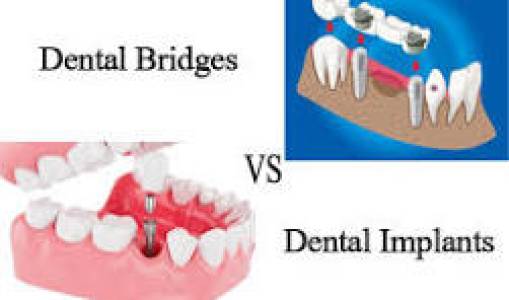
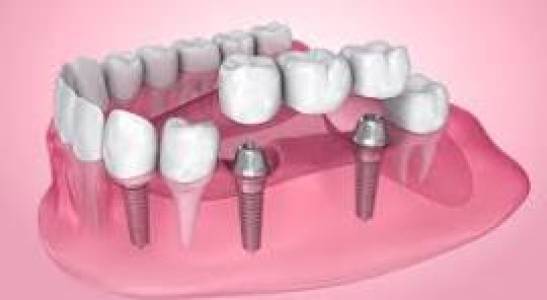
- Treatment Plan: We will discuss the necessity of the extraction, the procedure itself, potential risks, and post-operative care. We'll also explore replacement options (implants, bridges, dentures) if appropriate.
Anesthesia & Comfort
- Local Anesthesia: The area around the tooth will be completely numbed using a local anesthetic, ensuring you feel no pain during the procedure.
- Sedation Options: For patients with dental anxiety or those undergoing more complex extractions, we offer various sedation options (e.g., nitrous oxide, oral sedation, IV sedation) to help you relax.
The Extraction Procedure
- Gentle Technique: Using specialized instruments (elevators and forceps), the tooth is gently loosened from its socket.
- Careful Removal: Once sufficiently mobile, the tooth is carefully and steadily removed.
- Socket Care: After removal, the socket is cleaned, and a sterile gauze pad is placed to help form a blood clot, which is crucial for healing.
Types of Extractions
We perform both simple and surgical extractions, tailored to your specific needs:
- Simple Extraction:
- Performed on teeth that are visible in the mouth and have a relatively straightforward root structure.
- Typically requires only local anesthesia.
- The tooth is loosened with an elevator and removed with forceps.
- Surgical Extraction:
- Performed on teeth that are not easily accessible (e.g., impacted wisdom teeth, teeth broken below the gum line).
- May involve a small incision in the gum tissue, and sometimes the removal of a small amount of surrounding bone.
- The tooth may need to be sectioned (cut into smaller pieces) for easier removal.
- Sutures (stitches) may be used to close the gum tissue, and these typically dissolve or are removed at a follow-up appointment.
- Often involves deeper sedation in addition to local anesthesia.
Aftercare & Recovery: Crucial for Healing
Proper aftercare is vital for a smooth recovery and to prevent complications like dry socket. We will provide detailed written and verbal instructions, including:
- Bleeding Control: Bite firmly on the gauze pad for 30-60 minutes, changing it as needed.
- Pain Management: Take prescribed or over-the-counter pain medication as directed.
- Swelling Reduction: Apply an ice pack to the outside of your cheek intermittently for the first 24 hours.
- Diet: Stick to soft foods and liquids for the first few days, gradually reintroducing solid foods.
- Oral Hygiene: Gently rinse your mouth with warm salt water (1/2 teaspoon salt in 8 oz water) starting 24 hours after surgery. Avoid brushing directly on the extraction site for a few days.
- Avoid:
- Smoking: Highly detrimental to healing and significantly increases the risk of dry socket.
- Straws: The suction can dislodge the blood clot.
- Spitting or Vigorous Rinsing: Can dislodge the blood clot.
- Alcohol: Can interfere with healing and medications.
- Strenuous Exercise: For 24-48 hours, to prevent dislodging the blood clot.
- Rest: Get plenty of rest to aid in healing.
- Follow-up: Attend any scheduled follow-up appointments to ensure proper healing.
Why Choose [Your Dental Practice Name] for Your Extraction Needs?
- Experienced & Gentle Dentists: Our team has extensive experience in performing extractions with a focus on patient comfort and minimal invasiveness.
- Advanced Technology: We utilize state-of-the-art equipment for precise diagnosis and efficient procedures.
- Patient-Centered Care: We prioritize your well-being, offering various sedation options and creating a calm, supportive environment.
- Comprehensive Care: From initial diagnosis to post-operative follow-ups and discussion of tooth replacement options, we guide you every step of the way.
- Clear Communication: We ensure you are fully informed and comfortable with your treatment plan.
Don't Let Pain Control Your Life!
If you're experiencing severe tooth pain, persistent infection, or have been advised to have a tooth extracted, don't delay seeking professional care. Contact [Your Dental Practice Name] today to schedule a consultation. We are here to help you achieve relief and maintain a healthy, comfortable smile.
[Your Dental Practice Name] [Your Address] [Your Phone Number] [Your Website] [Your Email Address]
Disclaimer: This product description is for informational purposes only and does not constitute medical advice. It is essential to consult with a qualified dental professional for diagnosis and treatment recommendations tailored to your specific condition.