Description
Here's a detailed product description for Dental Crowns in Markdown format:
Dental Crowns: Restore Your Smile, Strengthen Your Teeth
Rediscover the Beauty and Function of a Healthy Smile
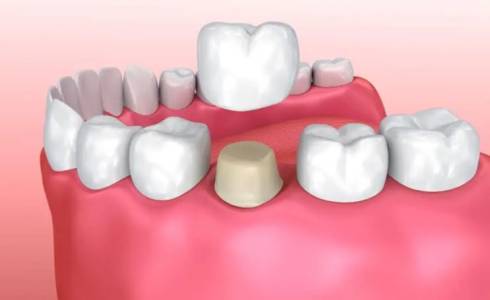
A dental crown is a custom-made, tooth-shaped "cap" that is placed over a damaged, decayed, or weakened tooth to restore its shape, size, strength, and improve its appearance. Often referred to as a "cap," a crown completely covers the visible part of your tooth above the gum line.
Why Choose a Dental Crown?
Dental crowns are a versatile and long-lasting solution for a variety of dental concerns, offering significant benefits:
- Restores Strength & Integrity: Protects weak teeth from fracturing, holds cracked teeth together, and restores teeth that have suffered significant decay or wear.
- Enhances Aesthetics: Improves the appearance of discolored, poorly shaped, or severely damaged teeth, blending seamlessly with your natural smile.
- Protects Damaged Teeth: Shields vulnerable tooth structures from further damage or infection, especially after procedures like root canals.
- Improves Oral Function: Restores proper biting and chewing ability, allowing you to enjoy your favorite foods without discomfort.
- Long-Lasting Solution: With proper care, dental crowns can last for many years, providing a durable and reliable restoration.
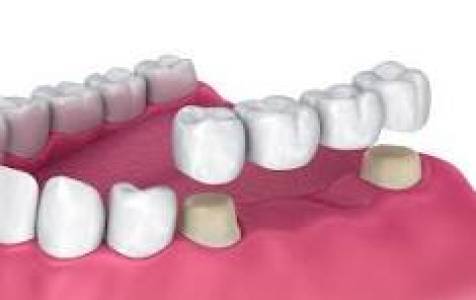
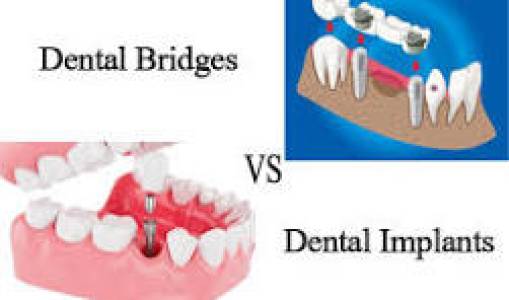
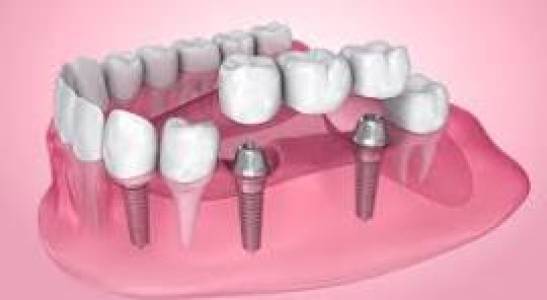
- Support for Other Restorations: Anchors dental bridges and serves as the prosthetic tooth for dental implants.
Who Needs a Dental Crown? (Indications)
Our dentists may recommend a dental crown for various situations, including:
- Severely decayed teeth where there isn't enough tooth structure left for a traditional filling.
- Cracked or broken teeth that need structural support and protection.
- After a root canal procedure to protect the treated tooth, which can become brittle.
- To cover large fillings when the remaining tooth structure is compromised.
- To improve the appearance of misshapen, severely discolored, or unevenly sized teeth.
- To hold a dental bridge in place by anchoring it to adjacent teeth.
- To cover a dental implant as the final restoration.
- To protect a weak tooth from fracturing.
Types of Dental Crowns
We offer a range of high-quality dental crown materials, each with unique advantages to suit your specific needs, budget, and aesthetic goals:
1. All-Porcelain / All-Ceramic Crowns
- Description: Made entirely from porcelain or ceramic, these crowns are renowned for their highly natural appearance. They are metal-free and an excellent choice for front teeth or for patients with metal allergies.
- Pros: Excellent aesthetics, translucent quality mimics natural enamel, metal-free.
- Cons: Can be more brittle than metal or zirconia, potentially less durable for back teeth subjected to heavy chewing forces.
2. Zirconia Crowns
- Description: Zirconia is an incredibly strong and durable ceramic material that is also highly aesthetic. It combines the strength of metal with the natural look of porcelain.
- Pros: Exceptional strength and durability, excellent aesthetics, biocompatible, resistant to chipping and fractures, suitable for both front and back teeth.
- Cons: Can be more abrasive to opposing natural teeth if not polished properly.
3. Porcelain-Fused-to-Metal (PFM) Crowns
- Description: These crowns have a metal substructure for strength, with a porcelain layer fused over it to provide a tooth-colored appearance.
- Pros: Good combination of strength and aesthetics, often more durable than all-porcelain crowns for back teeth.
- Cons: Can sometimes show a gray line at the gum line as gums recede, requiring more tooth reduction than all-ceramic crowns.
4. E-max Crowns (Lithium Disilicate)
- Description: A type of all-ceramic crown made from lithium disilicate, E-max crowns are known for their outstanding strength, durability, and highly aesthetic properties.
- Pros: Very strong and highly resistant to fractures, excellent light transmission for a natural look, thin restorations possible, suitable for various applications.
- Cons: Can be slightly more expensive than traditional porcelain or PFM.
5. Metal Crowns (Gold Alloys, Base-Metal Alloys)
- Description: Made from gold alloys or other non-precious metals. These crowns are incredibly strong and durable but are visibly metallic.
- Pros: Exceptional strength and longevity, highly resistant to wear and fracture, less tooth reduction required, very gentle on opposing teeth.
- Cons: Poor aesthetics, often reserved for molars that are not visible.
The Dental Crown Process
The placement of a dental crown typically involves two appointments:
- Initial Consultation & Preparation:
- Your dentist will examine your tooth, take X-rays, and discuss the best crown material for you.
- The tooth will be numbed, and reshaped to prepare it for the crown. This involves removing a small amount of enamel from all sides and the biting surface.
- Impressions (molds) of your prepared tooth and surrounding teeth will be taken. These impressions are sent to a dental laboratory where your custom crown will be fabricated.
- A temporary crown will be placed to protect your prepared tooth while your permanent crown is being made.
- Crown Placement:
- Once your custom crown arrives from the lab (usually within 1-2 weeks), you will return for your second appointment.
- The temporary crown will be removed, and your new permanent crown will be carefully fitted and checked for proper bite and aesthetics.
- Once you and your dentist are satisfied, the crown will be permanently bonded to your tooth using a strong dental adhesive.
Caring for Your Dental Crown
With proper care, your dental crown can last for many years. Follow these guidelines:
- Maintain rigorous oral hygiene: Brush twice daily and floss once daily, paying special attention to the area around the crown and gum line to prevent decay and gum disease.
- Regular dental check-ups: Visit your dentist for routine examinations and cleanings.
- Avoid chewing hard objects: Refrain from biting on ice, hard candies, popcorn kernels, or non-food items, which can chip or fracture your crown.
- Address grinding/clenching: If you grind or clench your teeth (bruxism), your dentist may recommend a nightguard to protect your crown and natural teeth.
- Report any issues: If your crown feels loose, uncomfortable, or you experience persistent sensitivity, contact our office immediately.
Ready to Restore Your Smile?
Don't let damaged or weakened teeth compromise your oral health or confidence. A custom-fitted dental crown can bring back the strength, beauty, and functionality your smile deserves.
Contact us today to schedule a consultation and find out if a dental crown is the right solution for you!
Important Note: The information provided in this product description is for general educational purposes only and does not constitute medical advice. Always consult with a qualified dental professional for diagnosis and treatment recommendations.