Description
Here's a detailed product description for Root Canal Therapy in Markdown format:
Root Canal Therapy: Preserving Your Natural Smile and Eliminating Pain
Are you experiencing persistent toothache, sensitivity to hot and cold, or swelling around a tooth? These symptoms could indicate an infection or inflammation deep within your tooth. While often feared, Root Canal Therapy is a highly effective, advanced dental procedure designed to save a severely damaged or infected tooth, alleviate pain, and restore your oral health.
At [Your Practice Name], we specialize in providing comfortable, efficient, and precise root canal treatments, helping you avoid tooth extraction and maintain your natural smile.
What is Root Canal Therapy?
Root Canal Therapy, also known asendodontic treatment, is a procedure to remove infected or inflamed pulp from inside a tooth. The tooth's pulp contains nerves, blood vessels, and connective tissue, and extends from the crown to the tips of the roots.
When the pulp becomes infected or inflamed due to deep decay, cracks, trauma, or repeated dental procedures, it can cause significant pain and lead to an abscess. Root canal therapy involves carefully cleaning, disinfecting, and shaping the root canal system, then filling and sealing it to prevent future infection. Finally, the tooth is usually restored with a crown to protect it and restore its full function.
When is Root Canal Therapy Needed?
Root canal therapy is necessary when the tooth's pulp becomes irreversibly damaged, inflamed, or infected. Common signs and symptoms that may indicate the need for a root canal include:
- Persistent Severe Toothache: Especially when chewing or applying pressure, or a throbbing pain that keeps you awake at night.
- Prolonged Sensitivity: Lingering sensitivity to hot or cold temperatures, even after the stimulus has been removed.
- Swelling and Tenderness: Around the affected tooth or in the surrounding gums and jaw.
- Pimple-Like Bump (Abscess): On the gums near the infected tooth, which may periodically release pus.
- Tooth Discoloration: Darkening of the tooth, often indicating nerve damage.
- Pain When Chewing: Or when touching the tooth.
Causes often include:
- Deep decay that reaches the pulp.
- A chip or crack in the tooth.
- Trauma to the tooth (even if there's no visible chip or crack).
- Repeated dental procedures on the same tooth.
The Benefits of Choosing Root Canal Therapy
Opting for a root canal offers numerous advantages:
- Eliminates Pain and Infection: Directly addresses the source of discomfort and prevents the spread of infection.
- Saves Your Natural Tooth: Avoids the need for extraction, preserving your natural bite and alignment.
- Restores Chewing Function: Allows you to continue eating your favorite foods comfortably.
- Maintains Natural Appearance: Keeps your smile intact, as the treated tooth remains in place.
- Prevents Further Problems: Stops infection from spreading to other teeth or into your jawbone.
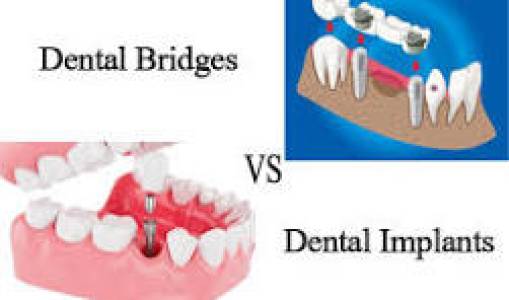
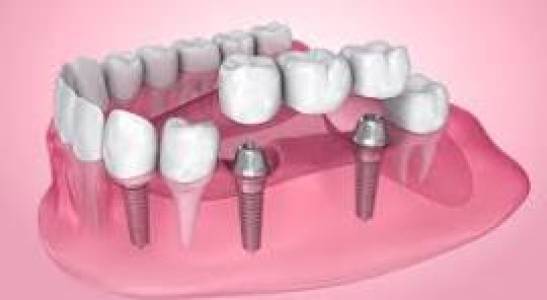
- Cost-Effective Long-Term: Often more affordable than extracting a tooth and replacing it with an implant or bridge.
- High Success Rate: With proper care, a treated tooth can last a lifetime.
The Root Canal Procedure: What to Expect
Our priority is your comfort throughout the procedure. Here's a general overview of the steps involved:
- Diagnosis & Anesthesia: We begin with a thorough examination, including X-rays, to assess the extent of the infection. Local anesthesia is administered to numb the tooth and surrounding area, ensuring a pain-free experience.
- Isolation: A small protective sheet called a rubber dam is placed around the tooth to keep it dry and free of saliva during the procedure, enhancing safety and sterility.
- Access Opening: A small opening is made in the crown of the tooth to access the pulp chamber and root canals.
- Pulp Removal & Cleaning: Tiny instruments are used to carefully remove the infected or inflamed pulp, bacteria, and debris from within the root canals. The canals are thoroughly cleaned and disinfected with antimicrobial solutions.
- Shaping & Filling: The root canals are then shaped to create a smooth, clean space for filling. They are filled with a biocompatible, rubber-like material called gutta-percha, often combined with an adhesive cement to ensure a complete seal.
- Temporary Filling: A temporary filling is placed in the access opening to protect the tooth until your next appointment.
- Permanent Restoration: In most cases, a dental crown is placed over the treated tooth during a subsequent visit. This crown provides essential protection, strengthens the tooth, and restores its full function and aesthetic appearance.
After Your Procedure & Recovery
You may experience some mild sensitivity or soreness for a few days after your root canal, which can typically be managed with over-the-counter pain relievers. We'll provide detailed post-treatment instructions, including:
- Avoiding chewing on the treated tooth until your permanent crown is placed.
- Maintaining excellent oral hygiene practices.
- Attending your follow-up appointment for the final restoration.
With proper care, a tooth treated with root canal therapy can last a lifetime.
Why Choose [Your Practice Name] for Your Root Canal Therapy?
- Experienced Professionals: Our skilled dentists have extensive experience in performing root canal treatments, ensuring precision and optimal outcomes.
- Advanced Technology: We utilize state-of-the-art equipment, including digital X-rays, microscopes, and rotary endodontic instruments, for accurate diagnosis and efficient, comfortable treatment.
- Patient-Centric Care: Your comfort is our top priority. We offer a relaxing environment, gentle techniques, and clear communication to ease any anxieties you may have.
- Comprehensive Follow-Up: We're committed to your long-term oral health, providing thorough aftercare instructions and support.
Cost & Insurance
The cost of root canal therapy can vary depending on the tooth's location (front vs. back) and the complexity of the case. We believe in transparent pricing and will provide you with a detailed treatment plan and cost estimate before beginning any procedure. Our team will also assist you with understanding your dental insurance benefits and available financing options. Remember, saving your natural tooth can often be more cost-effective than extraction followed by a dental implant or bridge.
Ready to Find Relief?
Don't let tooth pain or infection compromise your oral health. If you suspect you may need root canal therapy, or if you're experiencing any concerning dental symptoms, contact [Your Practice Name] today. We're here to answer your questions and guide you through a comfortable journey to optimal oral health.
Call us at [Your Phone Number] or [Visit Our Website] to schedule your consultation!
Disclaimer: This product description is for informational purposes only and does not constitute medical advice. Please consult with a qualified dental professional at [Your Practice Name] for a personalized diagnosis and treatment plan.