Description
Diapering: A Comprehensive Guide to Choosing the Right System for Your Baby
Diapering your little one is a significant part of parenthood, and choosing the right system can impact your baby's comfort, your budget, and the environment. This guide explores the various diapering options available, helping you make an informed decision that best suits your family's needs and values.
Understanding Your Diapering Options:
We'll cover the main diapering categories, outlining their pros and cons:
1. Disposable Diapers:
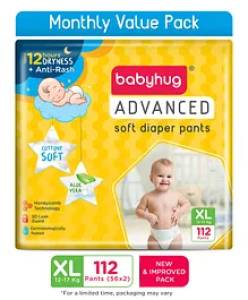
- Pros: Convenient, readily available, highly absorbent, offer leak protection, and require minimal cleanup. Many brands offer features like wetness indicators and breathable materials for added comfort.
- Cons: Expensive over time, contribute significantly to landfill waste, contain chemicals and plastics that may be concerning to some parents, and can be less environmentally friendly.
2. Cloth Diapers:
- Pros: Environmentally friendly (reusable and washable), cost-effective in the long run (although initial investment can be high), customizable to your baby's needs, and often considered more comfortable for babies. Various types are available, from prefolds and flats to all-in-ones and pocket diapers.
- Cons: Require time and effort for washing, preparing, and folding. Initial investment can be significant, and may require dedicated laundry space and supplies. Can be bulky and less convenient than disposables, especially for outings.
3. Hybrid Diapering:
- Pros: Combines the convenience of disposables with the cost-effectiveness and environmental benefits of cloth diapering. This often involves using cloth diapers at home and disposables for outings or overnight use.
- Cons: Requires a combination of supplies and preparation for both disposable and cloth diapering. Still requires some time and effort for laundry.
4. Modern Cloth Diapers:
This section breaks down the numerous subcategories within cloth diapering:
- All-in-One (AIO): Easy to use, all-in-one design, resembling disposable diapers in ease of use.
- All-in-Two (AI2): Consist of a waterproof outer shell and absorbent inner soaker that can be changed separately, saving on laundry and offering flexibility.
- Pocket Diapers: Features a pocket into which you insert absorbent inserts, offering flexibility and customization of absorbency.
- Prefolds: Versatile rectangular cloths that can be folded in numerous ways and secured with diaper covers.
- Flat Diapers: Large square cloths requiring folding and securing techniques – the most economical and environmentally friendly option but often considered the most difficult to use.
- Fitted Diapers: Shaped like disposable diapers, offering a comfortable fit and absorbency without a cover.
Choosing the Right Diapering System:
Consider the following factors when making your decision:
- Budget: Disposable diapers have a higher upfront cost, but cloth diapering requires a larger initial investment.
- Lifestyle: Your daily routine and travel frequency will influence your choice.
- Environmental Concerns: Cloth diapers are the most environmentally friendly option.
- Baby's Skin: Some babies are sensitive to certain materials found in both disposable and cloth diapers.
- Time Commitment: Cloth diapering requires more time for washing, preparing, and folding.
Beyond the Basics:
We'll also cover helpful topics such as:
- Diaper Rash Prevention and Treatment
- Diaper Disposal Methods (for both disposable and cloth)
- Essential Diapering Supplies
- Choosing the Right Diaper Size
- Nighttime Diapering
This comprehensive guide provides you with the information you need to confidently choose the best diapering system for your baby and your family. Remember, there is no one-size-fits-all answer; the ideal approach will depend on your individual circumstances and preferences.