Description
Water Type Fire Extinguishers: Your First Line of Defense Against Common Fires
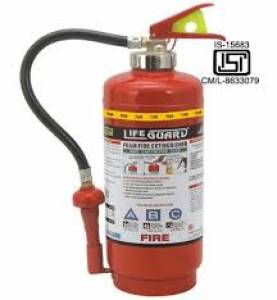
Water type fire extinguishers are a reliable and cost-effective solution for tackling Class A fires – those involving ordinary combustible materials like wood, paper, cloth, and some plastics. Understanding their capabilities and limitations is crucial for safe and effective fire suppression. This description details the features, benefits, and crucial considerations for using water type extinguishers.
What they are:
Water extinguishers utilize pressurized water to cool and extinguish burning materials. The water absorbs heat, reducing the temperature below the ignition point and suppressing the fire. They are generally safe for use on ordinary combustible materials, making them suitable for homes, offices, and many industrial settings. Different models vary in capacity (ranging from 2.5 gallons to upwards of 5 gallons), making them suitable for different sized spaces and potential fire scenarios. Some models also incorporate additives to enhance their performance.
Types of Water Extinguishers:
- Plain Water: The most basic type, containing only water and a pressurizing agent. Suitable for Class A fires only.
- Water Additive: These extinguishers contain additives such as wetting agents that help the water spread more effectively, improving penetration and reducing surface tension. This allows for better coverage and faster fire suppression.
Benefits of using Water Type Extinguishers:
- Cost-Effective: Generally, water extinguishers are the most affordable type available.
- Easy to Use: Simple operation, making them accessible to a wide range of users. Most models feature a simple lever or nozzle operation.
- Environmentally Friendly: Water is a naturally occurring substance with minimal environmental impact compared to some other extinguishing agents.
- Wide Availability: Readily available from most fire safety equipment suppliers.
Limitations of Water Type Extinguishers:
- Ineffective on Class B (flammable liquids) and Class C (electrical) fires: Water can spread flammable liquids and conduct electricity, potentially worsening the fire or causing electrical shock.
- Can cause water damage: Using a water extinguisher will inevitably cause water damage, so consider the location and potential for damage to electronics or valuable items.
- Not suitable for deep-seated fires: Water may not effectively penetrate deeply buried embers or materials.
- Can cause damage to certain materials: Excessive water can damage some materials, such as wood furniture or sensitive electronics.
Safety Precautions:
- Always check the pressure gauge before use. A low pressure gauge indicates the extinguisher needs recharging or replacement.
- Never use a water extinguisher on Class B or C fires.
- Aim at the base of the fire, sweeping back and forth.
- Maintain a safe distance from the fire.
- Keep extinguisher upright during operation.
- After use, have the extinguisher inspected and recharged by a qualified technician.
Choosing the Right Water Extinguisher:
The best water extinguisher for you depends on the specific risks present in your location and the size of the space. Consider factors such as the potential fire size, the types of materials present, and accessibility. Consulting with a fire safety professional is highly recommended to determine the most appropriate extinguisher for your needs.